How to Get Public Records in Columbus: 6 Steps, the 3-Business-Day Rule and Where to Send Requests
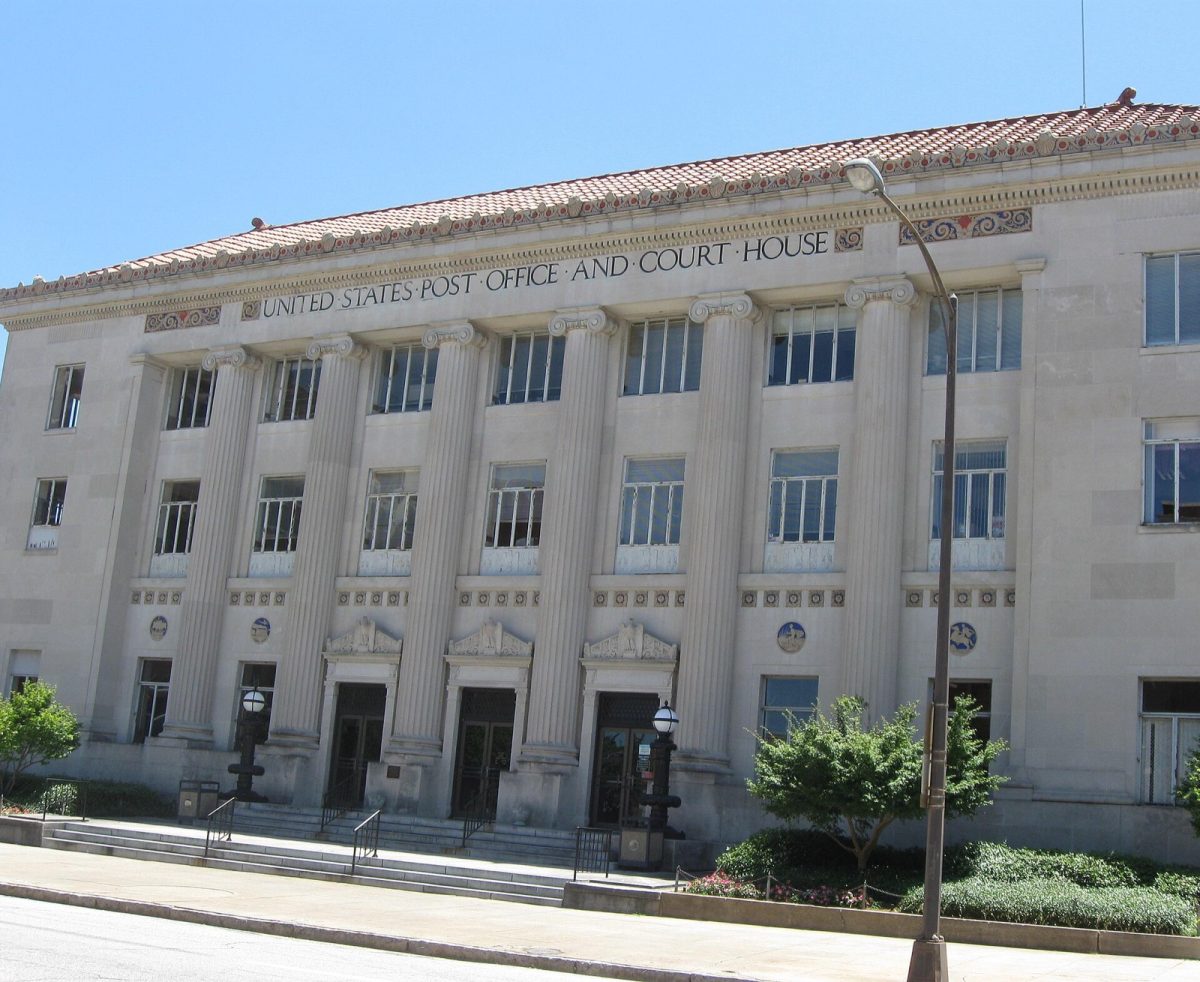
The U.S. Post Office and Courthouse in Columbus (file photo). Photo: Shark96z / Wikimedia Commons (public domain)
COLUMBUS, Ga. - Getting public records in Columbus starts with identifying which government office holds the information and submitting a request that clearly describes what you want. Georgia's Open Records Act generally requires agencies to produce responsive records within three business days, unless exceptional circumstances prevent them from doing so. Residents can request records from Columbus city government, the Columbus Police Department, the Muscogee County Sheriff's Office and Columbus Fire & EMS through designated contacts or request procedures.
The law gives the public a process for obtaining government records, but understanding that process can help prevent unnecessary delays and unexpected expenses. Georgia's Open Records Act, found at O.C.G.A. 50-18-70 and following, establishes requirements for agencies responding to requests, including deadlines, fees and explanations for withholding information. This guide explains six steps for submitting a request, what agencies must do after receiving it and where to direct requests involving Columbus government offices.
Step 1: Identify the Government Office That Has the Records
Start by determining which agency maintains the records you want. Columbus has different request contacts for city government, police, sheriff's office records and Fire & EMS. Directing your request to the appropriate office helps make clear which agency should respond.
For general city government records, the City Attorney's office provides an open records email address. The Columbus Police Department has an Open Records Compliance Office, while the Muscogee County Sheriff's Office identifies a Records Custodian. Columbus Fire & EMS provides an online request form through its departmental website.
Step 2: Put Your Request in Writing
Georgia law allows open records requests to be made orally or in writing. However, the Georgia Attorney General's Office recommends submitting requests in writing, and legal actions to enforce the Open Records Act can only be based on written requests. A written request also creates a record of what you requested and when you sent it.
The Attorney General's Office provides an open records request form in PDF format on its website. Requesters can use that resource when preparing a written request. Columbus agencies also provide specific submission methods, including email addresses and online forms.
Our advice: Describe the records you want as specifically as possible and retain a copy of the request. Keep the date you submitted it so you can track the three-business-day response period. If you need electronic records, state that preference in your written request.
Step 3: Understand the Three-Business-Day Rule
Georgia's Open Records Act generally requires agencies to produce responsive records within three business days. Exceptional circumstances can prevent an agency from producing everything within that period, but those circumstances do not eliminate its response obligations. The agency must still communicate with the requester within the required timeframe.
If an agency cannot produce the records within three business days, it must provide a written response within that period. That response must state when the records will be produced, identify any costs and cite the specific legal authority for withholding records, including the applicable Code section. The three-business-day rule therefore concerns both timely production and the agency's obligation to explain a delay.
Requesters should distinguish between receiving the records and receiving a written response explaining when the records will become available. An agency that cannot immediately provide responsive records must still follow the law's notification requirements. Keeping a written copy of the original request makes it easier to compare the agency's response with those requirements.
Step 4: Ask About Costs Before Records Are Produced
Georgia law permits agencies to recover certain expenses associated with responding to open records requests. Those expenses can include reasonable charges for searching, retrieving and performing other direct administrative work necessary to fulfill a request. However, the law limits how agencies calculate those charges.
An agency cannot charge for the first 15 minutes of search and retrieval work. After that period, the hourly rate cannot exceed the salary of the lowest-paid full-time employee who has the skills necessary to perform the work. Redaction expenses may also be charged using the rate of the lowest-paid employee capable of performing that work.
Public Records Costs at a Glance
| Cost category | Georgia's rules |
|---|---|
| First 15 minutes | No charge |
| Search and retrieval | Reasonable charges based on the lowest-paid qualified full-time employee's hourly rate |
| Paper copies | No more than 25 cents per page |
| Redaction | May be charged at the lowest-paid capable employee's rate |
| Cost notification | Written estimate within three business days if costs are sought |
| Prepayment | Generally restricted unless a prior request remains unpaid or estimated costs exceed $500 |
Agencies seeking payment must estimate the cost and notify the requester in writing within three business days. Advance estimates allow requesters to decide whether to accept the charges, modify their requests or withdraw them. Asking about costs at the beginning can help avoid surprises.
Georgia law also limits when an agency can demand payment before fulfilling a request. Generally, prepayment cannot be required unless the requester has failed to pay for an earlier request or the estimated cost exceeds $500. These restrictions are separate from the agency's authority to charge reasonable fees.
Step 5: Request Electronic Copies and Understand Redactions
Government records stored on computers must be made available electronically where practicable. Requesters who prefer electronic copies can state that preference when submitting their requests. The requirement is particularly relevant when the requested information already exists in an electronic format.
Some records may contain information that the law exempts from disclosure. However, an agency cannot refuse to provide an entire record simply because part of it contains exempt information. The agency must redact the exempt portions and produce the remainder.
Agencies withholding information must identify the specific statutory authority supporting that decision. A requester should receive the legal basis for the withholding rather than an unexplained refusal. The Open Records Act requires agencies to address disclosure obligations even when a record contains both exempt and nonexempt information.
Step 6: Follow Up When an Agency Does Not Comply
If an agency does not provide records or the required written response within three business days, review the requirements of Georgia's Open Records Act. The law establishes obligations concerning production deadlines, written notifications, cost estimates and explanations for withheld information. A written request and the date it was submitted provide useful documentation when reviewing an agency's handling of the request.
The Georgia Attorney General's Office operates an Open Government Mediation Program for members of the public whose local governments may not be complying with open government requirements. The office also accepts open government complaints online. These resources provide a way to raise concerns about possible noncompliance.
Because actions to enforce the Open Records Act can only be based on written requests, documentation matters. Keep the original request, any written response and any cost estimate provided by the agency. Those materials can help establish what information was requested and how the agency responded.
Where to Send Public Records Requests in Columbus
Columbus government offices use different methods for accepting public records requests. Some provide dedicated email addresses, while others offer downloadable or online forms. The following contacts identify where to direct requests based on the agency involved.
- Columbus city government, City Attorney's Office: [email protected]
- Columbus Police Department: [email protected]. Open Records Compliance Office, 510 10th Street, P.O. Box 1866, Columbus, GA 31902-1866. Phone: (706) 225-4306. Fax: (706) 225-4315.
- Muscogee County Sheriff's Office: Records Custodian, [email protected]. Requests may also be submitted by mail or in person at 100 10th Street, Columbus. The Sheriff's Office provides a downloadable request form. Phone: (706) 653-4225.
- Columbus Fire & EMS: Submit requests through the online Open Records Request form available on the department's website at columbusga.gov/fire.
These contacts are intended to help requesters reach the office responsible for the records they seek. The City Attorney's office handles general city government requests, while the police, sheriff's office and Fire & EMS maintain their own request procedures. Using the appropriate contact can make the submission process more straightforward.
Practical Tips Before Sending Your Request
Our advice: Keep requests focused and specific, ask for electronic copies when appropriate and request an advance estimate of any fees. Save your written request, the submission date and the agency's response. If the estimated charge is higher than expected, consider modifying the request before accepting the expense.
Requesters should also review any explanation that an agency provides when withholding information. Georgia law requires agencies to identify the specific legal authority for withholding records and to release portions that are not exempt. Understanding these requirements can help residents recognize when additional questions or follow-up may be appropriate.
How We Did This
Columbus Times prepared this guide using the Georgia Attorney General's Office open government pages and frequently asked questions, reviewed October 26, 2026. We also used Georgia's Open Records Act, O.C.G.A. 50-18-70 and following, and Columbus Consolidated Government information for the City Attorney's Office, Columbus Police Department, Muscogee County Sheriff's Office and Columbus Fire & EMS, reviewed October 26. The information explains public records request procedures and legal requirements and does not constitute legal advice.
Source: Georgia Attorney General open government FAQ; O.C.G.A. 50-18-70; Columbus Consolidated Government

News organizations may republish this story with credit. See our guidelines.
Know someone who'd want to read this? Email it to a friend.
Own a Columbus business? 60,000+ page views a month. Ads from $125/month. See ad options Follow Columbus Times on FacebookLocal news, events and people, in your feed every day.Most read this week
- Georgia Spent $165.7 Million on Medicaid Work Requirement Program, but Only 18,527 Were Enrolled After 3 Years
- 8 Columbus Restaurants Got a C on Their Health Inspection in 2026, the Most of Any Year Since 2022. Here's Every One
- The Night Fight on the Chattahoochee: How Columbus Became the Site of What Many Call the Last Battle of the Civil War
- The 10 Best Mexican Restaurants in Columbus, Ga., Ranked by Diners
- Columbus' Top-Rated Barbecue: 12 BBQ Joints Ranked by Google Stars and Health Scores
More stories
 Local How to Report a Problem to the City of Columbus: 6 Steps to Using Columbus 311
 Local Georgia's Hands-Free Driving Law: 12 Questions About $50 to $150 Fines, Points and What You Can Still Do
 Local Columbus Has 17,377 Veterans: 1 in 8 Adults Served, and They Earn $19,000 More Than Neighbors
 Local The Eagle and Phenix Mills: How a Columbus Factory Burned in 1865 and Became One of the South's Largest
Comments
Be respectful. No personal attacks, hate speech, spam or anyone's private information. Every comment is reviewed before it appears. Comment rules
No comments yet. Be the first to share your thoughts.