Self-Driving Shuttles Arrive at Fort Benning: 6 Vehicles From 3 Vendors Map Post Roads for 2 to 3 Weeks, With Tests Through 2026
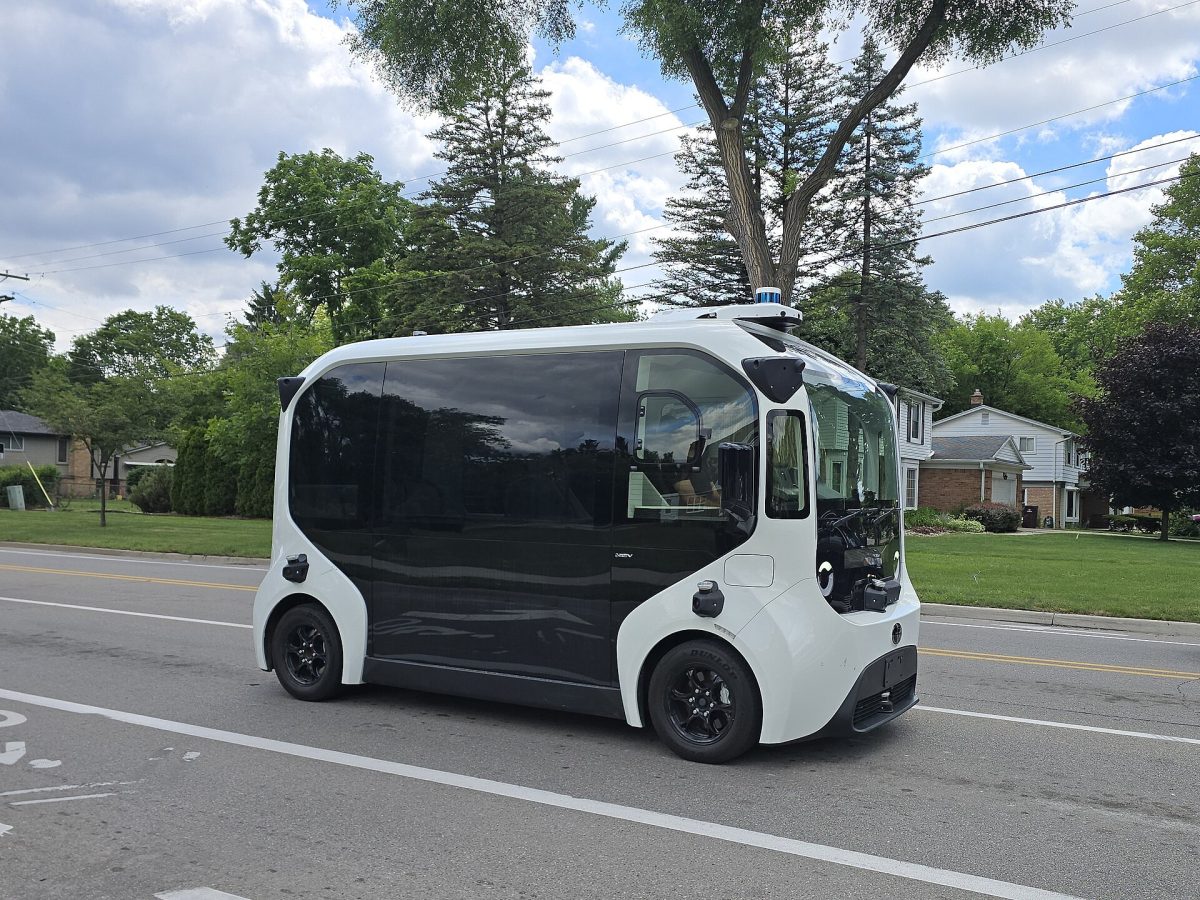
A Toyota e-Palette shuttle with May Mobility branding in Ann Arbor, Michigan, in 2026. Photo: DontCallMeLateForDinner / Wikimedia Commons (CC BY-SA 4.0)
FORT BENNING, Ga. - Six self-driving vehicles are learning the roads of Fort Benning this month, and if the test goes the way the Army hopes, soldiers who now spend their days driving other soldiers around post could be back in the classroom and on the range. Five of the vehicles arrived on Nov. 4, driven in by their vendor teams, according to a Nov. 9 Army account of the arrival written by Maddy Gonzalez. The post is one of two installations picked for a pilot that the Army is running with the Defense Innovation Unit, a Pentagon office that buys commercial technology.
The program is called ROADS, short for Robotic Operations for Autonomous Delivery and Sustainment, and it is a prize challenge rather than a conventional contract. Fort Benning's mixed fleet totals six vehicles, four electric and two hybrid, from three commercial vendors: Applied Intuition, Forterra working with May Mobility, and Perrone Robotics, the Army said. The other test site is Fort Hood, Texas, according to a Nov. 11 report by Patty Nieberg of Task & Purpose.
What the vehicles will do at Fort Benning
Fort Benning's piece of the pilot is passenger shuttles on routine administrative routes, the Army said. Moving thousands of trainees, cadre and tenant-unit soldiers every day requires constant vehicle dispatching and dedicated drivers, which pulls soldiers away from tactical and training duties, said Charles Auer, chief of future operations in the post's Directorate of Plans, Training, Mobilization and Security and the installation lead for the pilot. The stated goal is to cut the driver duties assigned to soldiers and return instructional hours to the cadre who teach them.
The first phase is mapping, and it is expected to last two to three weeks from the vehicles' arrival, which puts the end of it around Thanksgiving week. During mapping, human drivers operate the vehicles manually while the teams collect LiDAR, video and GPS data of the routes, the Army said. The vehicles stay on pre-approved on-post routes and use only hard paved roads.
Some parts of the post are off the map entirely. Routes exclude sensitive sites, including Lawson Army Airfield, ammunition supply points and tactical compounds, according to the Army. After mapping, the vendors move to phased demonstrations and test runs that continue through the end of 2026, with feedback from each run used to refine how the vehicles operate.
Nobody is riding in a driverless car yet. Each vehicle will be tested with a safety driver aboard before any driverless operation is allowed, and Fort Benning and the Defense Innovation Unit will assess whether the vehicles can operate safely before any move to full autonomy, the Army said. "Safety remains the overriding priority throughout this pilot," Auer said in the Army account.
The $30 million challenge behind it
The Defense Innovation Unit and the Army launched ROADS on May 22, 2026, as a prize challenge worth up to $30 million in awards, with multiple awards expected, according to the unit's announcement. The target is the Defense Department's non-tactical vehicle fleet of more than 150,000 sedans, SUVs, pickups and vans, which the unit said lacks modern dispatch and automation technology and suffers from low utilization and excess capacity. Companies had until June 8 to respond.
The challenge runs in phases: an initial demonstration, a longer-term pilot on an installation, and a broader rollout for the top performers, the unit said. Companies that prove they can deliver in an installation environment become eligible for follow-on contracting so the capability can be bought at scale. Dr. Alex Miller, chief technology officer to the Army chief of staff, said in the announcement that the aim is to give soldiers "more time to focus on core Soldier activities" instead of driving supplies around post.
Forterra and May Mobility announced on Nov. 5 that the Defense Innovation Unit had advanced them to Phase III of the challenge, and their release said the phase includes a month-long pilot at Fort Benning. Forterra's release counted six teams in the phase. Task & Purpose listed five companies advancing: Applied Intuition, Forterra/May Mobility, Perrone Robotics, Overland AI with Gatik, and Bot Auto.
How a soldier would catch a ride
In the Forterra and May Mobility version of the service, a soldier would request a ride through a rideshare-style app if the system is adopted, the companies said. May Mobility supplies the autonomous driving system, installed in passenger vehicles built for autonomy, and Forterra acts as fleet operator through its OneLink command-and-control system, which the company said gives installation leaders a live map and dashboard of every vehicle. Installation leaders can set their own operating parameters in the system, according to the release.
The companies described three layers of safeguards during trials: onboard safety operators, remote assistance and conservative safe-stop behavior. Forterra said it has fielded more than 250 autonomous systems for defense programs, including a robotaxi service for soldiers at Womack Army Medical Center at Fort Bragg, North Carolina. May Mobility said it has delivered more than 550,000 commercial autonomous rides covering 1.1 million miles, including service with no driver aboard.
"We want to bring autonomy technology that's already working in the real world," said Phil Cotter, Forterra's head of growth, sustainment and shaping operations, in the release. Manik Dhar, May Mobility's chief commercial officer, said the system "enables fleet vehicles that would otherwise sit idle to provide safe, on-demand transportation." The Army account did not describe how the Applied Intuition or Perrone Robotics vehicles would be dispatched.
What to watch for
| Milestone | Timing | Source |
|---|---|---|
| Vehicles arrive at Fort Benning | Nov. 4, 2026 | U.S. Army, Nov. 9 |
| Mapping with human drivers | 2 to 3 weeks from arrival | U.S. Army, Nov. 9 |
| Demonstrations and test runs | Through the end of 2026 | U.S. Army, Nov. 9 |
| Month-long pilot | Within Phase III | Forterra/May Mobility, Nov. 5 |
| Decision on next phase | After evaluation | Defense Innovation Unit |
The Defense Innovation Unit and the installation will evaluate technical performance, operational suitability, user needs, safety and data management before deciding on the next phase and any broader adoption across the department, according to the Forterra and May Mobility release. The Army account did not give a date for the first driverless run or say which routes the shuttles will serve. Drivers on post should expect to see the sensor-topped vehicles on paved roads with a person behind the wheel for now.
Source: U.S. Army, Fort Benning (Nov. 9, 2026); Defense Innovation Unit (May 22, 2026); Forterra and May Mobility news release (Nov. 5, 2026); Task & Purpose (Nov. 11, 2026)

News organizations may republish this story with credit. See our guidelines.
Know someone who'd want to read this? Email it to a friend.
Plan your weekend with Columbus Times
Get This Weekend in Columbus every Thursday: the best local events, free things to do and family fun, plus each evening's local news. Free, and you can unsubscribe anytime.
By signing up you agree to get the Columbus Times email newsletter. Unsubscribe anytime with one click.
Comments
Be respectful. No personal attacks, hate speech, spam or anyone's private information. Every comment is reviewed before it appears. Comment rules
No comments yet. Be the first to share your thoughts.