Muscogee County Prison Is Honored for Job Training: 135 Inmates Trained, 182 Certifications on a $150,000 Grant and 70-Plus GEDs Since 2021
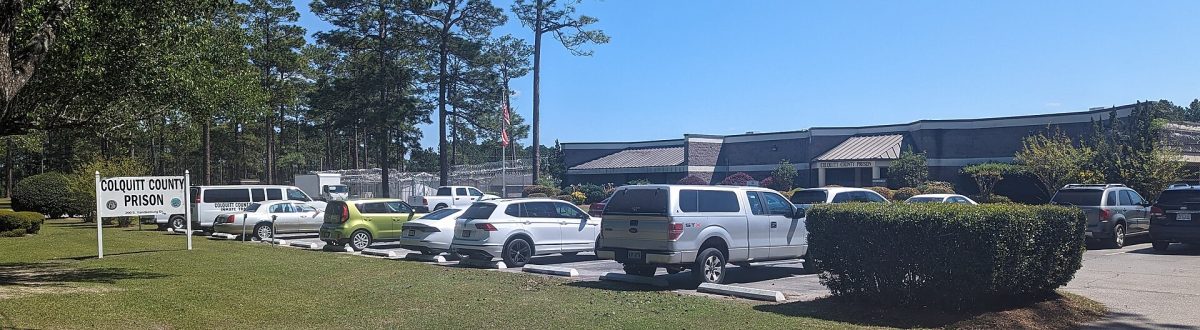
Colquitt County Prison in south Georgia, one of the state's county-run work prisons. Muscogee County Prison in Columbus holds 528 state inmates under contract. Photo: Clifflandis / Wikimedia Commons (CC BY-SA 3.0)
COLUMBUS, Ga. - Muscogee County Prison, the city-run work prison whose inmates maintain Columbus streets, parks and buildings every day, picked up a state proclamation last Tuesday for the job training and GED programs it runs with Columbus Technical College. State Rep. Teddy Reese, whom WTVM identified as the senator-elect for the Columbus-based 15th District, presented the proclamation at the prison on Nov. 10, the station reported. Warden Herbert Walker III told WTVM that more than 70 inmates have earned a GED since he took over in 2021, and that the classes are paid for with city crime prevention grants that have already been approved for next year.
The numbers behind the recognition are in the city's own books. Columbus Technical College asked the Office of Crime Prevention for $349,870 toward a $460,617 training project at the prison for the 2025-26 budget year and received $150,000, according to the office's Council Community Impact Report, prepared in September. The report says the college used the full $150,000, trained 135 prison residents and produced 182 industry certifications across its programs, and that students leave with the tools and safety equipment they trained on.
What the prison is, and what it does for the city
Muscogee County Prison is not the jail. It is a work prison that the county, and now the Columbus Consolidated Government, has operated for more than 145 years, according to the prison's page on the city website. It moved into its current building in March 1997 and is contracted to hold 528 state inmates, with 48 more beds reserved for county inmates serving short sentences.
Each day, the city says, about 425 inmates go out on work details that maintain city property and infrastructure, while about 150 stay inside to run the prison. The city estimates that replacing those 425 outside workers with regular employees at the G2 pay grade plus benefits would cost more than $10.2 million a year. A separate city success story on the training program puts the labor savings at nearly $5.3 million annually, and the two figures appear to measure different things, so the city's own estimates range from $5.3 million to $10.2 million.
The state pays the city for housing its inmates. The prison's page says the Georgia Department of Corrections subsidy is $20 per inmate per day, which at 528 inmates should bring in more than $3.8 million a year to the city's general fund, though the page does not say when that rate was last updated. A department procedure document says the per diem is required under state law, Georgia Code Section 42-5-53.
The classes, course by course
The training is run through Columbus Tech, and the city says participants earn real college certifications in addition to Department of Corrections credit. The city's success story lists carpentry, construction and welding as the original offerings, with forklift safety and OSHA training and logistics added more recently, and commercial driver's license training that Walker said teaches "the whole operation of trucking." The prison page says GED classes have met since 1997, on Monday and Tuesday nights from 6:30 to 9 p.m., and that three full-time counselors work at the facility.
Costs vary by course, according to the city. A fast-track residential plumbing program runs about $750 per student, and shielded metal arc welding, the most expensive, runs $2,105. Inmates without a high school diploma must be working toward a GED to enroll in the trades classes, Walker said, and the Georgia Department of Corrections has recognized Muscogee County Prison for awarding the most GEDs of any county prison in the state for two years running.
| Item | Figure | Source |
|---|---|---|
| State inmates under contract | 528 | City prison page |
| Inmates on outside work details daily | About 425 | City prison page |
| City labor value of those details | $5.3 million to $10.2 million a year | City estimates |
| Crime prevention grant to Columbus Tech, 2025-26 | $150,000 of $349,870 requested | Crime Prevention report |
| Prison residents trained, 2025-26 | 135 | Crime Prevention report |
| Industry certifications earned | 182 | Crime Prevention report |
| GEDs earned since 2021 | More than 70 | Warden Walker, via WTVM |
| Welding course cost per student | $2,105 | City success story |
Why the city funds it
The Office of Crime Prevention, led by Director Seth Brown, reviewed 44 Columbus Council-funded programs in its 2025-26 report, and the Columbus Tech prison project was the largest single award on the list. The office says it treats employment as one of five pillars of crime prevention, along with recreation, education, drug and alcohol intervention and community policing. The college's original plan called for training 265 people at the prison plus 75 adult education students, so the 135 trained fell short of the goal, though the report does not say why.
Reese framed the program as an answer to poverty as much as crime. "This is a correctional facility, where we are correcting behavior," he told WTVM, adding that the training helps people get back on their feet after incarceration. Walker said some former inmates have taken the skills and "became entrepreneurs," and an inmate interviewed by the station said the certifications gave him something to show employers.
Two inmates profiled in the city's success story put it in plainer terms. Anthony Anglin, serving a robbery sentence since 2016 with a tentative parole date next August, was taking welding, plumbing, logistics, forklift and OSHA classes and said the program made him feel he had "a better chance at being able to succeed rather than turning this into a revolving door." Kenneth Prather, who is up for parole in 2031, said the welding class was full when he tried to join, so he finished logistics, plumbing and OSHA instead.
What happens next
The grant that pays for the classes has been approved for the coming year, Walker told WTVM, so the courses continue into 2027. Deputy Warden Normae Beecham told the city that the prison is also talking with partners about adding beekeeping and animal control training. Anyone seeking information about the prison or its programs can find it at columbusga.gov/mcp, and the Office of Crime Prevention posts its grant guidance and annual reports at columbusga.gov/crime-prevention.
Source: WTVM (Nov. 10, 2026); Columbus Office of Crime Prevention, FY 2025-2026 Council Community Impact Report (September 2026); Columbus Consolidated Government, Muscogee County Prison web pages and Crime Prevention success story "A Conviction to Work"; Georgia Department of Corrections SOP IIA01-0006 (2015)

News organizations may republish this story with credit. See our guidelines.
Know someone who'd want to read this? Email it to a friend.
Plan your weekend with Columbus Times
Get This Weekend in Columbus every Thursday: the best local events, free things to do and family fun, plus each evening's local news. Free, and you can unsubscribe anytime.
By signing up you agree to get the Columbus Times email newsletter. Unsubscribe anytime with one click.


Comments
Be respectful. No personal attacks, hate speech, spam or anyone's private information. Every comment is reviewed before it appears. Comment rules
No comments yet. Be the first to share your thoughts.