Providence Canyon: 150-Foot Gullies, 2,706 Acres and Rusty 1950s Cars South of Columbus
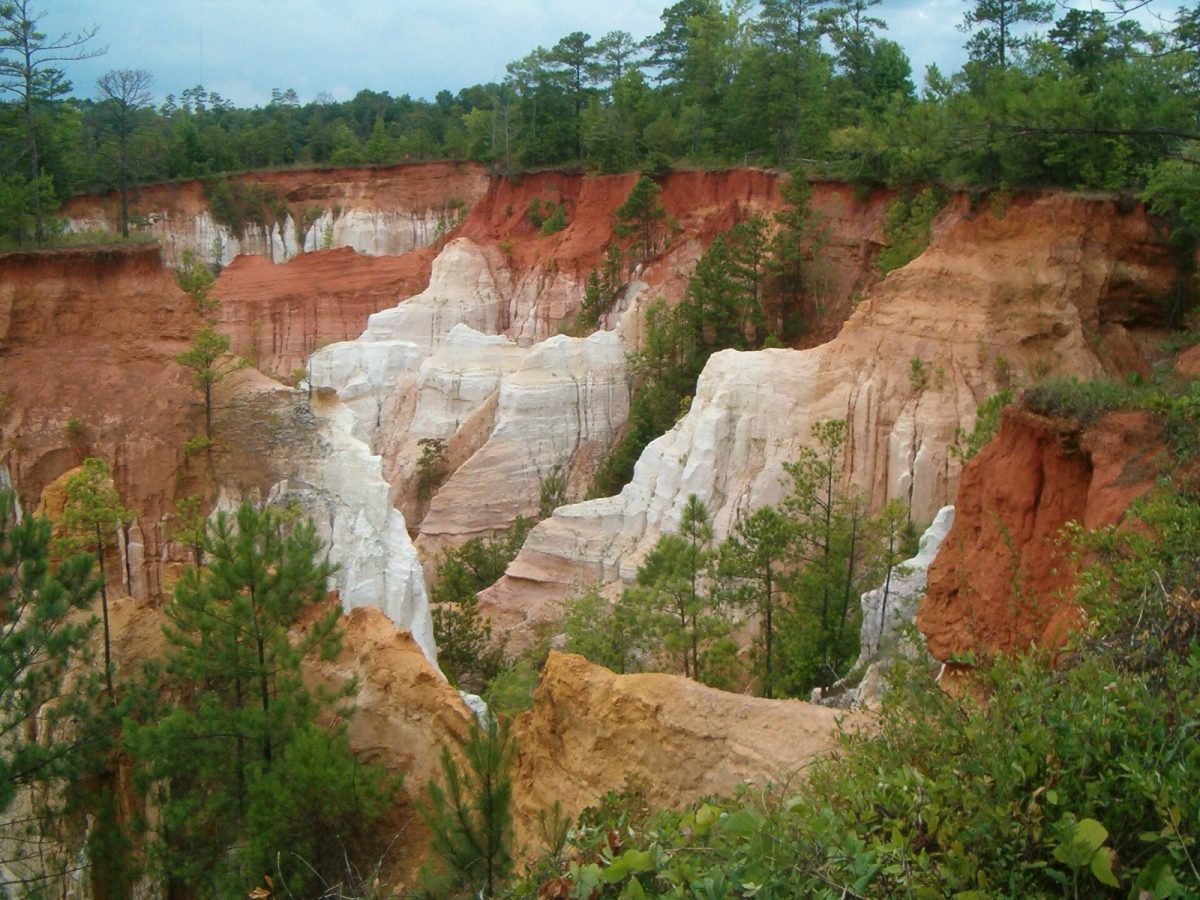
Providence Canyon State Park covers 2,706 acres in Stewart County and drew 339,594 visitors in 2024. Photo: Robbie Honerkamp / Wikimedia Commons (CC BY-SA 3.0)
Columbus, Ga. - Providence Canyon State Park, known as Georgia's "Little Grand Canyon," covers 2,706 acres in Stewart County south of Columbus, with gullies more than 150 feet deep. It mixes dramatic canyon views, hiking trails, a rare azalea and an abandoned homestead full of rusty 1950s cars and trucks.
The park near Lumpkin is one of the "Seven Wonders of Georgia," and it drew 339,594 visitors in 2024.
What makes it unusual is how it was made. Providence Canyon wasn't carved over millions of years by a river. Poor farming practices by 19th-century settlers caused the erosion that dug the deep gullies visitors see today.
Providence Canyon by the numbers
| Feature | Figure |
|---|---|
| Park size | 2,706 acres |
| Deepest gully | More than 150 feet |
| Elevation | 500 feet |
| Became a state park | 1971 |
| County | Stewart County |
| Nearest city | Lumpkin |
| Visitors in 2024 | 339,594 |
| Abandoned vehicles | Nearly a dozen cars and trucks |
| Vehicle era | 1950s |
| Canyon first documented | 1836 |
| Heavy settlement began | After 1825 |
How farming created Georgia's Little Grand Canyon
Heavy settlement of the area began after the Treaty of Indian Springs in 1825.
During the 19th century, poor farming practices left the land open to erosion. Water carried soil away and slowly cut gullies into the ground, exposing layers of marine sediments, including loam, clay and sand. Over time, those gullies grew into the steep canyon walls that define the park.
Today the deepest gully reaches more than 150 feet. What started as damaged farmland became the landscape that earned the park its nickname.
That history gives the canyon a different kind of story. Visitors aren't just looking at scenery; they're looking at the lasting effects of how people farmed the land generations ago.
A canyon on paper by 1836
An 1836 deed transferring land from James S. Lunsford to William Tatam documents the canyon's existence, just 11 years after the treaty that opened the area to heavy settlement (my math: 1836 minus 1825).
That 1825 treaty forced the Creek people to give up their lands east of the Chattahoochee River, the same river that runs past downtown Columbus. Settlers moved in, cleared the land and planted, and within a generation the soil had started to wash away.
The park takes its name from the Providence Methodist Church, and the historic church building still stands on the park grounds. It's a quiet reminder of the farming community that lived here while the gullies were forming.
The park is operated by the Georgia Department of Natural Resources.
| Year or period | What happened |
|---|---|
| 1825 | Treaty of Indian Springs; heavy settlement follows |
| 19th century | Poor farming practices lead to severe erosion |
| 1836 | A deed from James S. Lunsford to William Tatam documents the canyon |
| 1950s | Era of the cars and trucks later left at an abandoned homestead |
| 1971 | Providence Canyon becomes a Georgia state park |
| 2024 | 339,594 visitors |
What's in the canyon walls
The walls show layers of marine sediment: loam, clay and sand. Soil scientists group the park's soils into series with names such as Nankin, Cowarts, Mobila and Orangeburg.
Those names are soil classifications, not separate sights. But together they explain why the exposed walls look layered, and why the land wore away so dramatically once it was left unprotected.
The rusty cars left in the woods
The park's most surprising sight may be an abandoned homestead with nearly a dozen rusty cars and trucks from the 1950s.
The vehicles were left in place because of environmental concerns about removing them. Now they sit as a time capsule from a much more recent era than the canyon's farming history, giving visitors two very different slices of the past in one park.
A rare plant
Providence Canyon is home to the very rare plumleaf azalea, adding a botanical draw to a park best known for its geology.
Things to do
- Hike: trails let visitors explore the canyon landscape.
- Picnic: the park offers picnicking.
- Camp: primitive campsites are available for an overnight stay.
Trail lengths, fees, hours and camping rules weren't part of our source, so check with Georgia State Parks before you go.
Quick Q&A
Where is Providence Canyon? In Stewart County, Georgia, near Lumpkin and south of Columbus.
How deep is it? The deepest gully is more than 150 feet.
Is it a natural canyon? It formed through erosion, but that erosion was caused by poor farming practices in the 1800s.
Why are there old cars there? Nearly a dozen 1950s cars and trucks were left at an abandoned homestead because of environmental concerns about moving them.
Can you camp? Yes, at primitive campsites.
When did it become a state park? 1971.
Your day-trip checklist
- Take in the view from the rim. The gullies run more than 150 feet deep at their deepest.
- Find the church. The historic Providence Methodist Church gave the park its name.
- Look for the cars. Nearly a dozen 1950s cars and trucks sit at the old homestead. Look, but leave them be; they stay put for environmental reasons.
- Watch for the azalea. The plumleaf azalea is very rare, so admire it where it grows.
- Pack a picnic. Picnicking is one of the park's main activities.
- Check before you go. Get current hours, fees and trail conditions from Georgia State Parks.
What it means for Columbus
For Columbus-area families, Providence Canyon is a nearby day trip that doubles as a history lesson: a dramatic landscape created by people, a rare plant, and a row of rusting cars from the 1950s. Check Georgia State Parks for current visitor information before heading out.
How we did this
This article is based on Wikipedia's "Providence Canyon State Park" entry, reviewed Oct. 23, 2026. Drive times, trail lengths, fees, hours and seasonal details were not verified and are not included.
Source: Wikipedia, "Providence Canyon State Park" (reviewed Oct. 23, 2026)
News organizations may republish this story with credit. See our guidelines.
Know someone who'd want to read this? Email it to a friend.
Own a Columbus business? 60,000+ page views a month. Ads from $125/month. See ad optionsPlan your weekend with Columbus Times
Get This Weekend in Columbus every Thursday: the best local events, free things to do and family fun, plus each evening's local news. Free, and you can unsubscribe anytime.
Most read this week
- Georgia Spent $165.7 Million on Medicaid Work Requirement Program, but Only 18,527 Were Enrolled After 3 Years
- 8 Columbus Restaurants Got a C on Their Health Inspection in 2026, the Most of Any Year Since 2022. Here's Every One
- The Night Fight on the Chattahoochee: How Columbus Became the Site of What Many Call the Last Battle of the Civil War
- The 10 Best Mexican Restaurants in Columbus, Ga., Ranked by Diners
- Columbus' Top-Rated Barbecue: 12 BBQ Joints Ranked by Google Stars and Health Scores
More stories
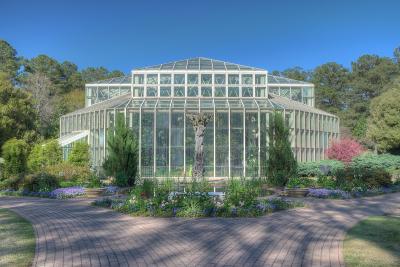 Local Callaway Gardens by the Numbers: 2,500 Acres, 1,000 Butterflies and a 10-Mile Bike Trail Near Columbus
 Local Columbus Wants Your Comments on 198 Senior Apartments and a $500,000 Urban League Renovation: Deadlines Oct. 26 and Nov. 3
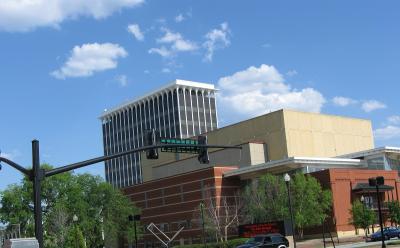 Local John D. Allen Judicial Center Ribbon-Cutting Set for Oct. 30; 10th Street and 2 Railroad Crossings Close Next Week
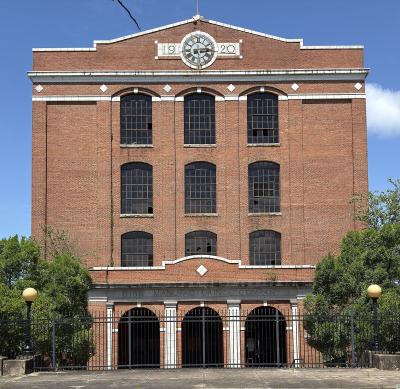 Local The City Inside Columbus That Disappeared: Bibb City's 91-Year History and the Mills That Built It
Comments
Be respectful. No personal attacks, hate speech, spam or anyone's private information. Every comment is reviewed before it appears. Comment rules
No comments yet. Be the first to share your thoughts.