Renting vs. Buying in 2026: What a Home Really Costs in Columbus, Phenix City and Smiths Station
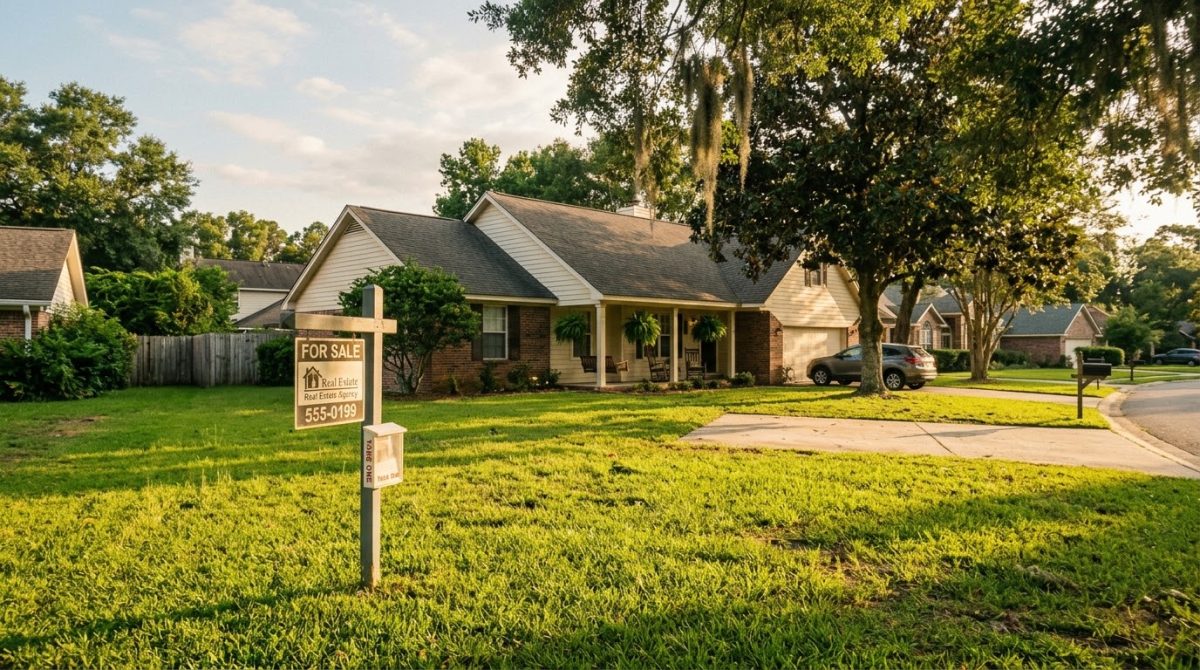
COLUMBUS, Ga. — For years, buying a home was considered one of the clearest ways to build wealth and escape rising rent payments. But in 2026, the decision is considerably more complicated for residents of Columbus, Phenix City and Smiths Station. Mortgage rates have climbed above 7%, home prices remain elevated in many neighborhoods, and the cost of insurance, maintenance and property taxes has made ownership more expensive than the monthly mortgage payment alone suggests.
The latest numbers reveal a significant difference between the three communities. Columbus has the lowest typical home value at approximately $175,906, followed by Phenix City at $212,365 and Smiths Station at $289,876, according to Zillow’s September 2026 data. Yet average monthly rents range from $1,312 in Phenix City to $1,630 in Smiths Station, creating different financial calculations for households considering whether to rent or purchase.
The biggest obstacle for buyers is financing. On October 15, Freddie Mac reported that the average 30-year fixed mortgage rate was 7.40%, compared with 6.27% a year earlier. That difference adds hundreds of dollars to the monthly payment on many homes and can substantially increase the total interest paid over a 30-year loan.
For local households, the question is no longer simply whether owning is better than renting. It is whether the costs of purchasing and maintaining a home make financial sense given their income, savings and how long they expect to remain in the area.
How home prices and rents compare across the tri-city area
The following figures show the typical home value and average advertised rent in each community as of September 2026. Zillow’s home value index measures the value of a typical home, rather than the median price of homes actually sold. Rental figures represent market-wide averages, not necessarily the rent for a comparable single-family house.
Community Typical home value Average monthly rent Columbus, GA $175,906 $1,331 Phenix City, AL $212,365 $1,312 Smiths Station, AL $289,876 $1,630
Source: Zillow, September 30, 2026.
At first glance, Columbus appears to offer the most affordable route to homeownership because of its lower typical property values. Phenix City offers slightly lower average rent, while Smiths Station generally requires a larger investment to purchase a home. However, the communities offer different housing types, neighborhoods, lot sizes and amenities, making direct comparisons between individual properties important.
Home values also continue to rise. Zillow reports that typical home values increased 3.1% over the past year in Columbus, 5.5% in Phenix City and 5.0% in Smiths Station. These increases may benefit existing homeowners through greater equity, but they also raise the amount prospective buyers must save for down payments and closing costs.
What a mortgage really costs in 2026
A home listed for $250,000 does not necessarily come with an affordable monthly payment, especially at current interest rates. With a 10% down payment and a 30-year mortgage at 7.40%, the principal and interest payment would be approximately $1,558 per month. That payment does not include property taxes, homeowners insurance, private mortgage insurance or money for repairs.
When those additional expenses are included, the total estimated cost can approach $2,200 monthly. An unexpected roof repair, heating and cooling replacement or plumbing problem could increase the financial burden further.
Here is how that calculation looks for a home priced at the typical Zillow home value in each community.
Monthly ownership cost Columbus Phenix City Smiths Station Mortgage principal and interest $1,096 $1,323 $1,806 Property taxes, insurance, PMI and maintenance $447 $540 $737 Estimated monthly total $1,543 $1,863 $2,543
Columbus Times calculations. Assumes 10% down, 7.40% fixed interest for 30 years, property taxes at 1% of home value annually, homeowners insurance at 0.6%, private mortgage insurance at 0.5% of the original loan annually, and maintenance at 1% of home value annually. These standardized assumptions are for comparison, not actual local tax or insurance quotes. Figures rounded.
The comparison suggests that buying a typical home may cost more each month than the area-wide average rent in all three communities. The gap is relatively small in Columbus, where the estimated ownership cost is about $212 above average rent. In Phenix City, the difference grows to approximately $551, while Smiths Station shows a gap of about $913.
That does not automatically make renting the better long-term decision. A portion of each mortgage payment reduces the amount owed on the property, gradually building equity. Rent payments do not create ownership equity, although renters may be able to invest the money they save by avoiding a down payment and certain ownership expenses.
The calculations also do not compare identical homes. A larger three-bedroom house with a yard may rent for considerably more than the community-wide average, changing the economics of buying.
Columbus: Lower home prices make buying more competitive
Columbus offers a particularly interesting calculation because home values remain substantially below the national average. A household purchasing a home for approximately $176,000 could potentially keep its total estimated monthly ownership costs near $1,550 under the assumptions used in this analysis. That is not dramatically higher than the city’s average monthly rent of $1,331.
However, Columbus is not one uniform housing market. Prices can vary considerably between established neighborhoods, newer subdivisions and properties in different conditions. A lower-priced home may require substantial renovation, while newer homes in north Columbus can cost significantly more than the citywide typical value.
For someone expecting to remain in Columbus for seven to ten years, purchasing a reasonably priced home may provide financial advantages. Mortgage principal payments gradually build equity, and owners with fixed-rate loans are insulated from increases in their principal and interest payments, although taxes, insurance and maintenance expenses can still rise.
Renting may remain attractive to residents who expect to relocate, lack substantial emergency savings or prefer not to assume responsibility for repairs. With average asking rents increasing 5% over the past year, however, tenants also face the possibility of rising housing expenses when their leases renew.

Phenix City: Lower rents create a different financial picture
Phenix City has a higher typical home value than Columbus but slightly lower average rent. At $1,312 per month, the city’s rental market offers an appealing alternative for households that want to avoid the upfront and ongoing costs of purchasing property.
Buying a typical Phenix City home at approximately $212,000 would require around $21,200 for a 10% down payment. Under the comparison assumptions, monthly ownership costs would reach approximately $1,863, or about $551 above the average rental payment. That translates to more than $6,600 in additional annual cash outflow before accounting for differences in property type and the equity a homeowner builds.
Alabama’s property tax system may also affect the comparison. Actual property taxes depend on assessed values, exemptions, location and applicable rates, so buyers should calculate costs for the specific address rather than applying a Georgia property tax estimate to an Alabama home.
For families working in Columbus but living across the Chattahoochee River, transportation expenses are another consideration. A lower housing payment can be offset by a longer commute, additional vehicle mileage or higher fuel consumption, although many Phenix City neighborhoods are conveniently located near Columbus employment centers.
The numbers suggest that renters in Phenix City have an opportunity to preserve monthly cash flow, while buyers may benefit from long-term ownership if they secure a competitively priced property and remain in it long enough to recover the costs of purchasing.
Smiths Station: Higher prices increase the cost of ownership
Smiths Station presents the largest estimated difference between renting and buying among the three communities. Zillow places its typical home value near $290,000, approximately $114,000 higher than Columbus. Average rent is also higher at $1,630 per month, reflecting a housing market that includes many larger suburban properties.
A buyer purchasing a typical Smiths Station home with 10% down and financing the remainder at 7.40% would face approximately $1,806 in monthly principal and interest alone. After allowing for taxes, insurance, private mortgage insurance and maintenance, the estimated monthly expense climbs to about $2,543.
For a household earning $75,000 annually, that represents approximately 41% of gross monthly income before utilities and other living expenses. That level of housing spending could leave limited room for transportation, retirement savings, groceries, childcare and unexpected emergencies.
Smiths Station may still be an attractive location for buyers seeking newer properties, larger homes or particular neighborhood amenities. But households considering a purchase should compare similar rental and ownership properties rather than assuming buying is automatically the more economical option.
The down payment is only part of the cost of buying
The monthly payment is not the only financial obstacle. A home purchase generally requires cash for the down payment, closing costs, inspections, moving expenses and possibly immediate repairs.
Assuming 10% down and estimated buyer closing costs equal to 3% of the purchase price, the upfront costs would look like this:
Location Down payment Estimated closing costs Total upfront Columbus $17,591 $5,277 $22,868 Phenix City $21,237 $6,371 $27,608 Smiths Station $28,988 $8,696 $37,684
Illustrative calculations based on Zillow’s September 2026 typical home values. Actual closing costs and down-payment requirements vary by mortgage program, property and buyer. Excludes moving costs, prepaid expenses and repair reserves.
A first-time buyer purchasing a typical Columbus home could therefore need nearly $23,000 before receiving the keys, unless they qualify for down-payment assistance, seller concessions or a loan program requiring less cash upfront.
A smaller down payment can reduce the initial savings requirement but generally increases the amount borrowed. It may also increase mortgage insurance costs, depending on the financing program. Buyers should compare the total costs of conventional, FHA, VA and other available financing options rather than concentrating solely on the minimum down payment.
How long should you stay in a home before buying makes sense?
One of the most important factors in the rent-versus-buy decision is the length of time a household expects to remain in the property. Buying involves transaction costs that renters typically do not incur, including loan closing fees, title expenses and potentially substantial selling costs when the owner eventually moves.
A homeowner who sells after two or three years may discover that appreciation and mortgage principal payments have not been sufficient to offset those expenses. This is especially possible when home prices stagnate, interest rates remain elevated or the property requires unexpected repairs.
Remaining in the home longer allows more time to build equity, spread initial transaction costs over additional years and potentially benefit from appreciation. However, there is no universal rule that buying becomes cheaper after five or seven years. The actual break-even point depends on the purchase price, rent for a comparable property, interest rate, future price changes, maintenance expenses and investment returns.
For people uncertain about their employment, military assignments or long-term plans, renting provides flexibility without the financial obligations and transaction expenses associated with selling a home.
What if mortgage rates fall?
Mortgage rates are among the biggest factors influencing housing affordability. The difference between a 7.40% mortgage and a lower rate can be substantial over the life of a loan.
For a $250,000 home purchased with 10% down, the following table shows how the monthly principal and interest payment changes at different rates.
Mortgage rate Monthly principal and interest 5.0% $1,208 6.0% $1,349 7.0% $1,497 7.4% $1,558 8.0% $1,651
Illustrative calculations for a $225,000 mortgage with a 30-year repayment term. Excludes taxes, insurance, mortgage insurance and maintenance.
At 5%, the principal and interest payment would be approximately $350 less each month than at 7.40%, producing annual savings of about $4,200.
Some buyers may consider purchasing now and refinancing if rates decline. However, refinancing is not guaranteed. Future rates, credit qualifications, property values and refinancing fees can all affect whether replacing an existing mortgage is possible or worthwhile.
So, is renting or buying the better decision in 2026?
The available data suggests there is no single answer for the entire tri-city area. Columbus offers relatively low typical home values, potentially making ownership more competitive for families with sufficient savings and stable employment. Phenix City’s lower average rent gives households a strong reason to compare their options carefully, while Smiths Station’s higher home prices make the monthly cost difference particularly important.
Renting generally offers lower upfront costs, more flexibility and less exposure to unexpected repair bills. Buying offers the opportunity to build equity, benefit from future appreciation and establish greater long-term control over housing arrangements. Both options carry financial risks, and neither guarantees a better outcome.
The key is to compare the total cost of renting and owning equivalent properties, not simply a quoted apartment rent against a mortgage principal-and-interest payment.
For families throughout Columbus, Phenix City and Smiths Station, housing remains one of the largest financial decisions they will make. With mortgage rates at 7.40% and local home values continuing to rise, calculating the true costs before signing a lease or purchasing a property is more important than ever.
In 2026, homeownership can still be a worthwhile long-term investment. But for some Chattahoochee Valley households, renting may provide greater financial breathing room — and that can be valuable, too.
Data note: Zillow figures are September 2026 market estimates, not appraisals or exact transaction prices. The ownership comparisons use standardized hypothetical taxes, insurance and maintenance costs and do not reflect specific property quotes. Utilities, homeowner association dues, investment returns, tax deductions, appreciation, potential rent increases and selling expenses are not included in the monthly comparison.
Source: Freddie Mac Primary Mortgage Market Survey (October 15, 2026); Zillow Home Value Index and Rental Market Trends (September 2026); Redfin Housing
News organizations may republish this story with credit. See our guidelines.
Know someone who'd want to read this? Email it to a friend.
Own a Columbus business? 60,000+ page views a month. Ads from $125/month. See ad optionsPlan your weekend with Columbus Times
Get This Weekend in Columbus every Thursday: the best local events, free things to do and family fun, plus each evening's local news. Free, and you can unsubscribe anytime.
Most read this week
- Georgia's 3 Constitutional Amendments on the Nov. 3 Ballot, Explained in Plain English
- Georgia's 3 Amendments: Which Will Pass, Who's Against Them, and What Happens If They Fail
- Early Voting in Columbus Starts Oct. 13: Every Site, the Hours, and What's on Your Ballot
- USDA Awards $3.3 Billion Loan for Georgia Power Plant to Meet Rising Electricity Demand
- Which of Georgia's 3 Amendments Is Most Likely to Pass? What the Votes, Supporters and History Say
More stories
 Real Estate Why Are So Many New Homes Being Built Around Columbus? Follow the Development
 Real Estate What Rent Costs in Every Columbus ZIP Code
 Local Inflation Hits Columbus and Phenix City: What Rising Prices Are Costing Families in 2026
 Business Columbus Commercial Properties That Sat Vacant for Years: What Happened to Them?
Comments
Be respectful. No personal attacks, hate speech, spam or anyone's private information. Every comment is reviewed before it appears. Comment rules
No comments yet. Be the first to share your thoughts.