Georgia’s $166 Million Medicaid Program Faces Questions as State Seeks More Federal Funding
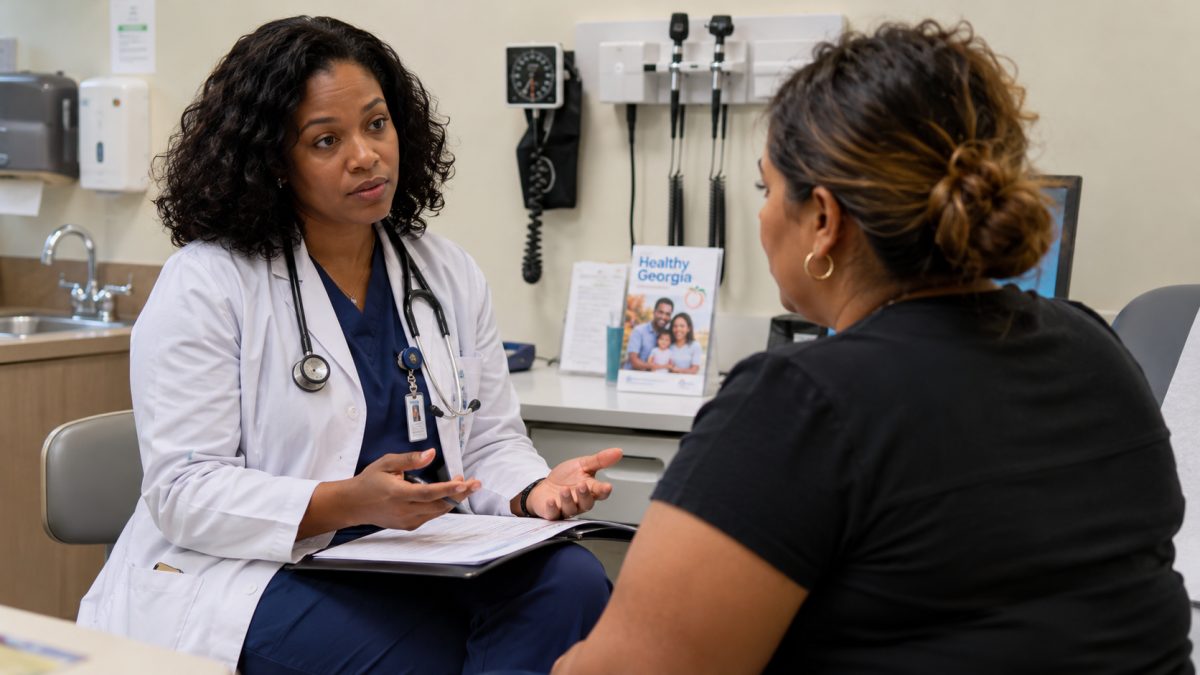
Georgia has spent nearly $166 million on a Medicaid program designed to provide health insurance to low-income adults, but fewer than 21,000 residents were actively enrolled as of August 2026. Now, state officials are asking the federal government to cover a larger share of the program’s costs, raising questions about whether Georgia’s approach to expanding healthcare coverage is delivering enough benefits for the money spent.
The program, known as Georgia Pathways to Coverage, launched in July 2023 as an alternative to traditional Medicaid expansion under the Affordable Care Act. Unlike states that expanded Medicaid to nearly all qualifying low-income adults, Georgia established a system requiring participants to meet income limits and complete approved work, education, training or other qualifying activities. Supporters argue that the approach encourages employment and financial independence while providing health insurance, but critics say the requirements have created barriers that prevent thousands of eligible residents from obtaining coverage.
According to figures obtained from the Georgia Department of Community Health, Georgia Pathways cost approximately $165.7 million through June 2026, including medical benefits, administration, technology and other expenses. Approximately $37.3 million came from state funds, while the remainder was financed through federal sources. Despite that investment, only 20,321 residents were actively enrolled as of August 31, although 36,771 Georgians had participated at some point since the program began. The figures illustrate the central challenge facing Pathways: substantial spending combined with enrollment that remains relatively small compared with the number of uninsured adults across Georgia.
For Columbus and Muscogee County, the controversy has local significance. Healthcare affordability remains a concern for working families, particularly those who earn too much to qualify for traditional Medicaid but struggle to afford private insurance. With approximately one in eight Muscogee County residents younger than 65 lacking health insurance, the debate over Georgia Pathways raises questions about how effectively the state is reaching people who need coverage.
How Georgia Spent Nearly $166 Million
Georgia Pathways was intended to create a new route to healthcare coverage for low-income adults who meet specific participation requirements. However, implementing the program required substantial investments in computer systems, eligibility verification, application processing and administrative operations before significant enrollment could begin. Those expenses have become a major point of criticism, particularly because the number of people receiving coverage has remained considerably below the population that could potentially qualify under broader Medicaid expansion.
A September 2025 investigation by the U.S. Government Accountability Office found that Georgia spent $54.2 million on administrative activities between October 2020 and March 2025, compared with approximately $26.1 million on medical assistance during that period. Administrative spending included technology modifications, enrollment systems, outreach and other costs associated with establishing the program. Approximately $47.4 million of the administrative spending came from federal funds, according to the report. The GAO also identified weaknesses in federal oversight of administrative expenditures, adding another dimension to questions surrounding the program’s costs.
Those findings do not necessarily mean that all administrative spending was unnecessary. Establishing a new healthcare program can require substantial upfront investments, and Georgia’s implementation was delayed by legal disputes with the federal government. Nevertheless, critics argue that the amount spent on administration relative to medical services demonstrates the challenges of operating a program with additional eligibility and reporting requirements. State officials maintain that Pathways is still developing and that enrollment growth and operational improvements should be considered when evaluating its long-term effectiveness.
Georgia Pathways by the Numbers
Category Reported Figure Total spending through June 2026 $165.7 million Georgia’s share of spending $37.3 million Remaining federal and other funding $128.4 million Active participants, August 2026 20,321 Total participants since launch 36,771 Administrative costs, October 2020–March 2025 $54.2 million Medical assistance, same GAO period $26.1 million Requested federal matching rate 90%
Sources: Georgia Department of Community Health data compiled by GeorgiaPathways.org and the U.S. Government Accountability Office. Spending categories cover different reporting periods and are not directly comparable.
What This Means for Columbus and Muscogee County
For residents of Columbus, the discussion surrounding Georgia Pathways is not simply about government budgets or policy disagreements in Atlanta. It concerns whether people working in restaurants, retail stores, warehouses, construction, transportation and other industries can obtain affordable medical coverage when their employers do not provide insurance. Some workers earn relatively modest incomes but still face financial barriers to purchasing private health plans, while others may qualify for assistance but struggle to navigate eligibility requirements.
The U.S. Census Bureau estimates that approximately 12.3% of Muscogee County residents younger than 65 lack health insurance, a rate that demonstrates the continued need for affordable healthcare options in the community. That percentage includes people with different income levels and personal circumstances, so it cannot be used to determine how many residents would qualify for Pathways specifically. Nevertheless, it highlights the importance of programs designed to connect uninsured adults with healthcare services. For someone living in Columbus and earning $15,000 annually, even routine medical appointments, prescriptions and emergency treatment can create significant financial pressure without insurance.
The potential effects extend beyond individual households. Uninsured residents may delay preventive care or treatment because of cost, sometimes seeking medical attention only after conditions become more serious. Hospitals and healthcare providers also face challenges when patients cannot afford medical bills. For a city with major healthcare employers and a substantial working-class population, decisions about Medicaid eligibility and funding can influence both household finances and the broader healthcare system. However, determining the precise local effects of Pathways would require county-level enrollment and spending figures, which are not established by the statewide totals.
Who Qualifies for Georgia Pathways?
Georgia Pathways provides Medicaid coverage to certain adults between the ages of 19 and 64 whose household incomes do not exceed 100% of the federal poverty level. Applicants must also satisfy additional requirements involving Georgia residency, eligibility status and participation in approved activities. Unlike traditional Medicaid expansion, which generally provides coverage to qualifying adults with incomes up to 138% of the federal poverty level, Pathways uses a lower income threshold and requires participants to demonstrate qualifying activities.
Under the program’s participation rules, eligible adults generally must complete at least 80 hours per month of qualifying activities, which may include employment, education, job training or other approved activities. For example, a Columbus resident working approximately 20 hours each week might satisfy the activity requirement if the employment qualifies and the required information is properly documented. However, people with inconsistent work schedules, multiple part-time positions or changing employment circumstances may find the verification process challenging. Georgia has modified certain participation and reporting requirements since the program launched, but eligibility remains dependent on satisfying the state’s rules.
The requirements are central to the disagreement over the program. Supporters believe connecting coverage with work and education provides an incentive for economic participation, while critics argue that the additional documentation creates unnecessary obstacles for people who already have limited financial resources. Both sides generally acknowledge the importance of affordable healthcare, but they disagree over whether the Pathways structure is an effective way to provide it.
Georgia Wants the Federal Government to Cover More Costs
The latest controversy centers on Georgia’s request for a larger federal contribution toward the program. In August 2026, the Georgia Department of Community Health sought approval to increase the federal matching rate for qualifying Pathways coverage expenditures from approximately 66% to 90%, bringing it closer to the enhanced rate available to states that implement traditional Medicaid expansion under the Affordable Care Act. The request could significantly reduce the state’s share of future qualifying expenses if approved, although the actual financial impact would depend on enrollment, federal approval conditions and total program spending.
The distinction matters because Georgia has not adopted the same eligibility structure as traditional Medicaid expansion states. Full expansion generally covers qualifying adults with incomes up to 138% of the federal poverty level without Pathways’ specific work-participation conditions, while Georgia limits Pathways eligibility to a smaller income range and requires qualifying activities. Critics argue that the state is seeking the financial advantages of expansion without providing the same level of access. State officials, meanwhile, have defended Georgia’s approach as a different model intended to connect healthcare coverage with employment and education.
Federal records show that Georgia submitted a pending waiver application dated October 1, 2026, and that the Centers for Medicare & Medicaid Services issued a completeness letter on October 9. As of October 15, the publicly available waiver records continued to identify the application as pending. Importantly, the request is for an increased federal matching rate rather than a conventional emergency bailout, a distinction that matters when describing what Georgia is asking Washington to approve.
Supporters and Critics See Different Results
Gov. Brian Kemp’s administration has defended Georgia Pathways as an alternative to traditional Medicaid expansion that encourages employment, education and other activities associated with financial independence. The administration has also emphasized that thousands of Georgians have obtained health insurance through the program and that federal legal challenges delayed implementation. When federal officials approved an extension in September 2025, Kemp’s office described the decision as recognition of Georgia’s approach to providing coverage while encouraging qualifying participants to remain engaged in the workforce or educational opportunities.
Healthcare advocates and organizations such as the Georgia Budget and Policy Institute have reached different conclusions about the program’s results. They argue that enrollment remains far below the number of Georgians who could gain coverage under traditional expansion and that administrative requirements have made the system unnecessarily expensive. The GAO’s findings regarding administrative spending have strengthened concerns about how efficiently taxpayer money is being used, although those findings do not establish that every expenditure was improper or that the program has provided no benefits.
The disagreement ultimately involves two competing approaches to healthcare coverage. Georgia’s current model emphasizes eligibility tied to qualifying activities, while traditional expansion would generally make Medicaid available to a broader low-income population without the same participation requirements. Evaluating the approaches requires examining enrollment, spending, healthcare access, administrative costs and long-term outcomes rather than relying on any single measure.
What Happens Next for Georgia Residents?
Georgia Pathways currently has federal authorization through December 31, 2026, while the state seeks additional approval for its future operation. Federal officials must review the pending application and determine whether the proposed changes satisfy applicable requirements. Depending on the outcome, Georgia could receive additional federal financial support, face conditions on its request or need to reconsider parts of its program. The final decision could influence how the state finances coverage and administers eligibility requirements in the years ahead.
For uninsured residents in Columbus, the immediate priority is understanding which healthcare options are currently available. Georgia Pathways remains a potential source of coverage for qualifying adults, and applications can be submitted through the state’s Georgia Gateway benefits portal. Other residents may qualify for traditional Medicaid, PeachCare for Kids or subsidized private insurance through the health insurance marketplace, depending on income, age, household size and other circumstances. Individuals should review the applicable eligibility rules rather than assume that employment or a modest income automatically disqualifies them.
The Bottom Line
Georgia has spent nearly $166 million on its Pathways Medicaid program through June 2026, while approximately 20,000 residents were actively enrolled as of August. Federal investigators have documented substantial administrative spending, and state officials are seeking a higher federal contribution toward future qualifying coverage expenses. Supporters maintain that the program offers an alternative approach connecting healthcare with employment and education, while critics question whether its costs and participation requirements have limited access to coverage.
For Columbus and Muscogee County, where a significant share of working-age residents remains uninsured, the outcome has practical implications. Decisions about Medicaid funding and eligibility affect residents’ ability to obtain medical care, the costs associated with operating public programs and the financial pressures facing local households. The central question is whether Georgia can expand healthcare access while controlling costs—and whether the current Pathways model can reach enough uninsured residents to achieve that goal.
Source: U.S. Government Accountability Office, September 2025; Georgia Department of Community Health; GeorgiaPathways.org Data Tracker, August 2026; Centers
News organizations may republish this story with credit. See our guidelines.
Know someone who'd want to read this? Email it to a friend.
Own a Columbus business? 60,000+ page views a month. Ads from $125/month. See ad optionsPlan your weekend with Columbus Times
Get This Weekend in Columbus every Thursday: the best local events, free things to do and family fun, plus each evening's local news. Free, and you can unsubscribe anytime.
Most read this week
- Georgia's 3 Constitutional Amendments on the Nov. 3 Ballot, Explained in Plain English
- Georgia's 3 Amendments: Which Will Pass, Who's Against Them, and What Happens If They Fail
- Early Voting in Columbus Starts Oct. 13: Every Site, the Hours, and What's on Your Ballot
- Which of Georgia's 3 Amendments Is Most Likely to Pass? What the Votes, Supporters and History Say
- What Rent Costs in Every Columbus ZIP Code
More stories
 Health Georgia Reports 22 Measles Cases in 2026 After New Case in Macon County
 Health Medicare Open Enrollment Starts Oct. 15: What's Changing for 2027 and How to Avoid Costly Mistakes
 Health Know Your Numbers: The 4 Health Checks Columbus Adults Shouldn't Skip, and Where to Get Them Free or Low-Cost
 Health Where to Get a Flu Shot in Columbus This Fall
Comments
Be respectful. No personal attacks, hate speech, spam or anyone's private information. Every comment is reviewed before it appears. Comment rules
No comments yet. Be the first to share your thoughts.