Columbus Seeks a Consultant to Rewrite Design Rules for 10 Local Historic Districts, With Proposals Due Dec. 2 and 1 Public Meeting
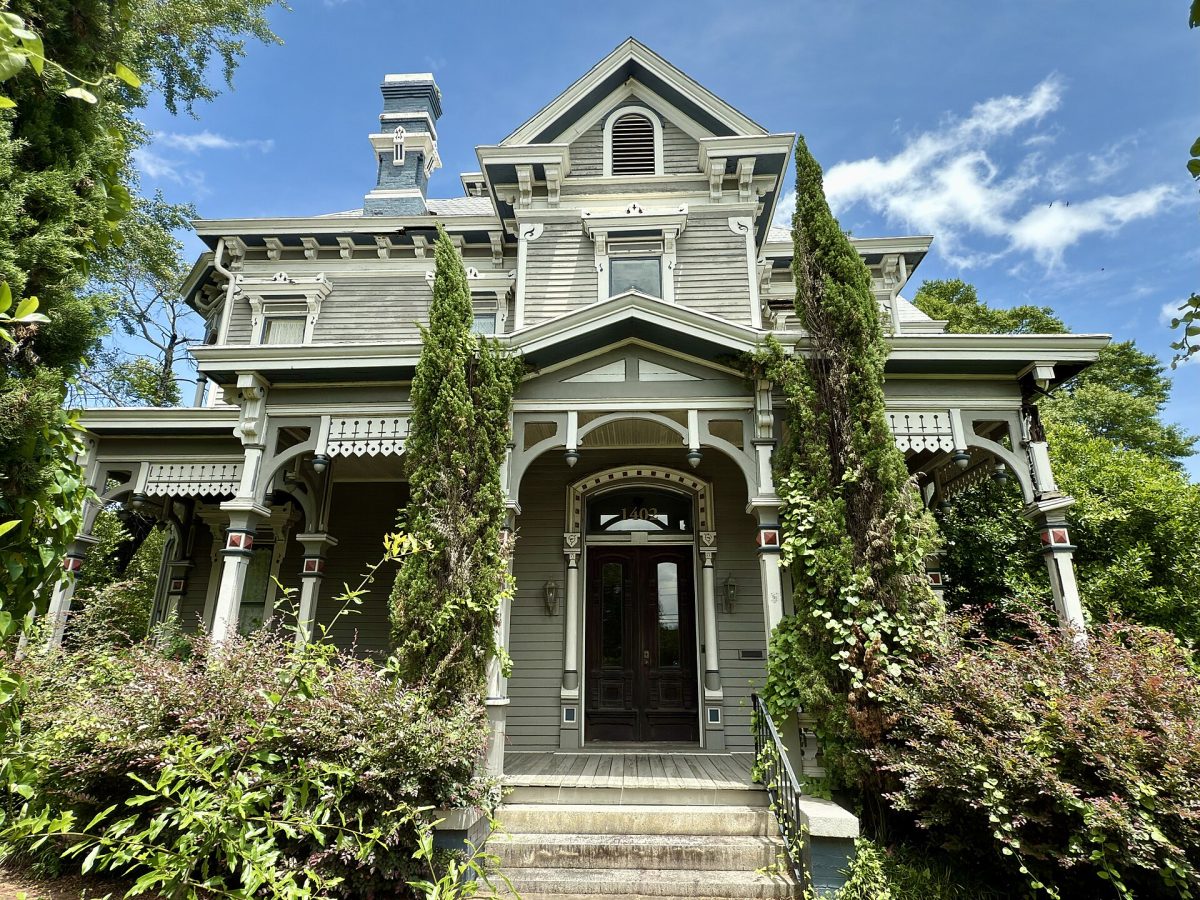
The Garrett-Bullock House in the High Uptown Historic District of Columbus. Photo: Farragutful / Wikimedia Commons (CC BY-SA 4.0)
COLUMBUS, Ga. - Columbus is seeking a consultant to update the architectural and preservation guidelines for its 10 local historic districts and the Columbus Historic Riverfront Industrial District, opening a review of a handbook that has been in use since March 2010. Proposals are due Wednesday, Dec. 2, at 5 p.m., according to Request for Proposals No. 27-0014, issued by the city's Purchasing Division on Nov. 3. The contract calls for one public meeting where property owners and other residents can weigh in.
The project matters to anyone who owns, builds on or works on property in the districts. The guidelines are what the Board of Historic and Architectural Review uses to decide whether proposed exterior alterations and new construction fit the character of those areas. The solicitation does not say which standards will change or whether revised guidelines would be more or less restrictive.
A handbook more than 16 years old
The existing 132-page handbook was prepared by MACTEC Engineering and Consulting Inc. for the Columbus Consolidated Government and the Board of Historic and Architectural Review, commonly known as BHAR. Published in March 2010, it updated an earlier manual prepared in August 2000 by The Jaeger Company. Its credits say it was financed in part with federal funds from the National Park Service through Georgia's Historic Preservation Division.
The handbook addresses residential and commercial architecture, signs, new construction, relocation, demolition and building stabilization. It also covers preservation tax incentives and the process for getting approval for exterior changes. Because it sets the standards projects are measured against, its reach goes beyond any single building.
The board itself dates to 1970, and the district map has grown since the first manual. By 2000, the handbook says, four local districts had been designated: Columbus, High Uptown, Waverly Terrace and Weracoba-St. Elmo. Six more were added before the 2010 update, and the handbook counted about 130 individually designated landmark properties at that time.
Which historic districts are included?
The city's 46-page solicitation lists 11 districts. Ten are local historic districts, and the riverfront industrial district is a National Historic Landmark. BHAR reviews proposed property alterations in all 11, according to the RFP. The districts included are:
- Columbus Historic District
- Dinglewood Historic District
- High Uptown Historic District
- Liberty Heritage Historic District
- Peacock Woods-Dimon Circle Historic District
- Waverly Terrace Historic District
- Weracoba-St. Elmo Historic District
- Wildwood Circle-Hillcrest Historic District
- Wynn's Hill-Overlook Historic District
- Wynnton Village Historic District
- Columbus Historic Riverfront Industrial District
The RFP says Liberty Heritage is the only one of the 11 not also listed on the National Register of Historic Places. National Register listing alone does not protect a building from inappropriate exterior changes or demolition, the RFP says. Local design review therefore does a job the federal listing does not.
What the guidelines mean for homeowners
Under the 2010 handbook, a property owner who wants to make a material change to the outside of a building in a district must apply to BHAR for a Certificate of Appropriateness. That certificate shows the work has preservation approval. A building permit may still be needed after that.
The handbook separates routine maintenance from changes in design, material or appearance. Ordinary maintenance or repair, including painting, does not require a certificate, and some in-kind replacements and minor repairs can be approved by planning staff. The handbook also says the guidelines do not regulate interiors, paint color or how a property is used.
That distinction matters when owners plan renovation budgets or line up contractors. The handbook has separate standards for windows, doors, roofs, porches and exterior materials. Updated standards could change how future work on those features is judged, although the solicitation does not identify specific changes.
Residents will have a public meeting
The scope requires five sessions in all. The consultant must hold one work session with Planning Department staff and private partners, two work sessions with BHAR and one public meeting on the guidelines. The consultant must also present the final draft to Columbus Council.
The public meeting is the one session in the contract set aside for community participation. The solicitation does not give a date or place for it. The consultant must also make sure the updated guidelines conform with existing ordinances and law.
Experience carries more weight than price
The city's scoring puts most of the weight on expertise and approach. Qualifications and experience count for 45% of the evaluation, the proposed service plan for 40%, client work history for 10% and the cost proposal for 5%, which the RFP says is subject to negotiation. Price is the smallest of the four factors by a wide margin.
The solicitation does not disclose a project budget. Consultants must meet the Secretary of the Interior's professional qualification standards and know Georgia's historic resources, including the state's GNAHRGIS database and survey procedures. The work must follow the Georgia Department of Community Affairs guidance "Preparing Design Guidelines for a Historic District," and the deliverables include a camera-ready copy and 100 printed copies.
What happens after Wednesday's deadline?
Consultants must submit proposals electronically through OpenBids, and the RFP says no public opening will be held. An evaluation committee will score the proposals, and the city may negotiate with top-ranked firms. The award recommendation then goes to Columbus Council for final approval.
For residents, the Dec. 2 deadline is not the date any new rules take effect. It is a step toward hiring the professional who will draft them. The procurement records do not say when property owners would begin working under a revised handbook.
The central question for property owners will be what the eventual draft says, not which firm writes it. Until a draft exists, nothing in the RFP indicates whether exterior renovation rules will become stricter or more flexible. The public meeting and the final presentation to Council will be the chances to examine what the proposed revisions mean for Columbus' historic properties.
Source: Columbus RFP No. 27-0014 (Nov. 3, 2026); Columbus Design Guidelines (March 2010); Columbus bid opportunities (Nov. 24, 2026)

News organizations may republish this story with credit. See our guidelines.
Know someone who'd want to read this? Email it to a friend.
Plan your weekend with Columbus Times
Get This Weekend in Columbus every Thursday: the best local events, free things to do and family fun, plus each evening's local news. Free, and you can unsubscribe anytime.
By signing up you agree to get the Columbus Times email newsletter. Unsubscribe anytime with one click.

Comments
Be respectful. No personal attacks, hate speech, spam or anyone's private information. Every comment is reviewed before it appears. Comment rules
No comments yet. Be the first to share your thoughts.