USDA Awards $3.3 Billion Loan for Georgia Power Plant to Meet Rising Electricity Demand
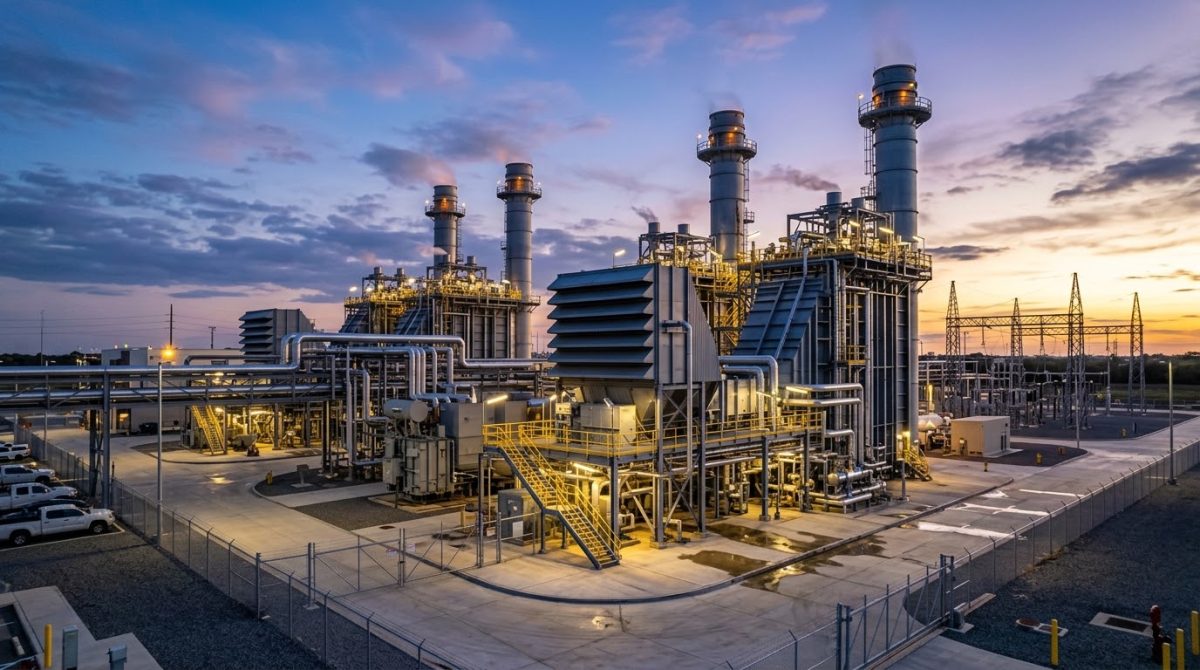
U.S. Secretary of Agriculture Brooke L. Rollins announced the loan to Oglethorpe Power Corporation during a visit to the construction site of the company’s Smarr Combined-Cycle electric generating facility. According to the U.S. Department of Agriculture, the loan is the largest ever issued through the department’s Rural Utilities Service.
The project is intended to expand Georgia’s dependable electricity supply while helping electric cooperatives manage the cost of building new generation capacity. Federal officials said the investment comes as electricity demand increases amid technological advances and the expansion of energy-intensive industries.
Although the facility is located in Monroe County, the investment has broader significance for Georgia’s electric system. Oglethorpe Power supplies wholesale electricity to member cooperatives that serve communities throughout the state, including areas in and around Columbus.
What the $3.3 Billion Loan Means for Georgia
The USDA loan will provide financing for the Smarr facility, which is designed to generate electricity using combined-cycle technology. These plants typically use natural gas to power a combustion turbine and then capture waste heat to produce additional electricity through a steam turbine.
That process allows a combined-cycle facility to generate more electricity from the same fuel than a conventional simple-cycle gas turbine.
Federal officials said the project will help strengthen the electrical grid and provide reliable power as demand grows. The department also emphasized that lower-cost federal financing can help reduce the financial burden associated with major infrastructure investments.
However, the loan does not automatically mean customers will see lower electricity bills. Actual rates depend on several factors, including fuel prices, construction costs, financing expenses, utility operations and how those costs are ultimately reflected in customer rates.
The USDA announcement did not specify how much the project could change electricity rates for Georgia households or when any potential savings might reach customers.
Oglethorpe Power Serves Nearly 5 Million Georgians
Oglethorpe Power is a generation and transmission cooperative owned by 38 electric distribution cooperatives. The company provides wholesale electricity to its member cooperatives, which collectively serve nearly 5 million people across Georgia.
Its electricity portfolio includes natural gas, coal, nuclear and hydroelectric generation.
The cooperative structure means Oglethorpe Power’s investments can affect electricity supply across multiple service territories rather than a single city or county. Member cooperatives rely on the company for a significant part of the power they distribute to residential, commercial and other customers.
For Columbus-area residents, the announcement is relevant because electric cooperatives are part of Georgia’s broader power supply network. However, the USDA announcement did not identify a specific change to electricity rates, service or generation allocations for Columbus or Muscogee County.
Officials Emphasize Reliability and Affordability
Rollins described the investment as part of the Trump administration’s efforts to expand America’s energy infrastructure and respond to rising electricity demand.
“Historic times call for historic actions, and this tremendous investment in America’s electric power grid is evidence of President Trump’s focus on powering our nation forward,” Rollins said.
USDA Under Secretary for Rural Development Glen Smith also highlighted the role of electric cooperatives in supporting rural communities and local economies.
Oglethorpe Power President and CEO Annalisa Bloodworth said the financing would help the cooperative build the generation capacity its member utilities need.
“This historic loan will allow us to build the reliable generation Georgia families, farms and businesses need at a lower cost, helping our member cooperatives keep electricity affordable for the communities they serve,” Bloodworth said.
The statements reflect the project’s stated goals. The ultimate effect on consumer bills will depend on the facility’s final costs, operating performance and the way expenses are handled by the utilities involved.
Why Georgia Needs More Electricity Generation
Electricity demand has become a growing concern for utilities nationwide. Data centers, advanced manufacturing, population growth and other electricity-intensive activities can require substantial amounts of additional power.
Utilities must plan years ahead because large generating facilities take significant time and capital to develop and construct. They also must ensure that enough electricity is available during periods of peak demand and when other power sources are producing less electricity.
Natural gas generation can provide dispatchable electricity, meaning operators can increase or decrease output based on system needs, subject to operating constraints and fuel availability.
The Smarr facility is part of the broader effort to add generation capacity to meet future demand. At the same time, its reliance on natural gas means its long-term economics will be influenced by fuel prices, plant performance and regulatory requirements.
The project also highlights the financial challenges of expanding the power grid. Large generating plants require substantial upfront investment, and the cost of financing can affect the total amount utilities ultimately need to recover.
What Happens Next?
The USDA announcement establishes the federal government’s commitment to provide $3.3 billion in financing for the project. It does not, by itself, establish a completion date, the facility’s final generating capacity or the amount of any future savings for individual customers.
Those details will be important as construction progresses and utilities determine how the additional generation will fit into Georgia’s electricity system.
For now, the record-setting loan represents a major federal investment in Georgia’s power infrastructure. Its most direct impact will be on Oglethorpe Power’s ability to finance the Smarr facility, while its broader significance will depend on how the new generation supports electricity reliability and the long-term costs paid by the cooperative’s member utilities.
Source: U.S. Department of Agriculture, Rural Development, announcement dated Oct. 14, 2026.
News organizations may republish this story with credit. See our guidelines.
Know someone who'd want to read this? Email it to a friend.
Own a Columbus business? Reach 40,000+ monthly readers. Ads from $125/month. See ad optionsPlan your weekend with Columbus Times
Get This Weekend in Columbus every Thursday: the best local events, free things to do and family fun, plus each evening's local news. Free, and you can unsubscribe anytime.
More stories
 Business 10 of the Best Businesses to Start in Columbus, Georgia
 Business 15 Columbus-Area Jobs That Pay $25 an Hour or More Without a Four-Year Degree
 Business Columbus-Area Job Openings: Who’s Hiring and What the Jobs Pay
 Business $249,000 Home in Columbus, Georgia: The $1,640 Monthly Cost Buyers Need to Know