NAACP calls for Black student-athletes to boycott Southern schools
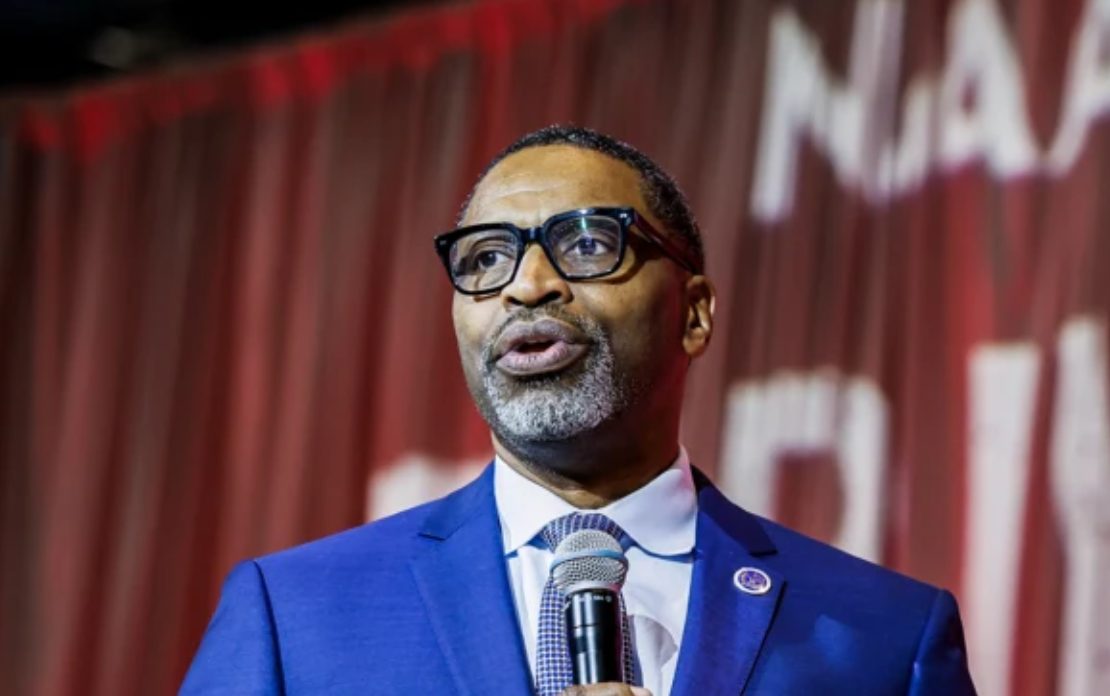
The NAACP has launched a campaign encouraging Black student-athletes to reconsider attending certain Southern universities following a recent Supreme Court ruling that weakened protections under the Voting Rights Act.
The campaign, called “Out of Bounds,” targets universities in Tennessee, Louisiana, Alabama, Florida, Mississippi, South Carolina, Texas, and Georgia—many of which have prominent athletic programs. The NAACP argues that these schools benefit significantly from Black athletes while remaining silent as changes to congressional district maps reduce Black political representation.
“The NAACP will not stand by while institutions that rely on Black athletic talent remain silent as Black communities lose their political voice,” said NAACP President and CEO Derrick Johnson.
The controversy stems from a Supreme Court decision that ruled Louisiana’s use of race in drawing two majority-Black congressional districts was unconstitutional. Voting rights advocates say the ruling could lead to the elimination of majority-Black districts across the South, while supporters of the decision argue it reinforces constitutional limits on race-based districting.
In response, the NAACP is urging recruits to consider historically Black colleges and universities (HBCUs) and encouraging alumni and fans to redirect financial support toward those institutions.
Congressional Black Caucus members and other supporters have backed the campaign, arguing that athletes have historically played an important role in social and political movements. House Minority Leader Hakeem Jeffries cited figures such as Jackie Robinson, Bill Russell, and Muhammad Ali as examples of athletes who used their platforms to advocate for change.
Critics of the campaign, including South Carolina Attorney General Alan Wilson, argue that student-athletes should not be drawn into political disputes over Supreme Court decisions.
Supporters believe that if top recruits choose other schools, universities and state leaders may feel pressure to address concerns about voting rights and redistricting. The debate has sparked broader discussions about the role athletes, universities, and athletic conferences should play in political and social issues.
The Southeastern Conference (SEC), which includes most of the universities named in the campaign, has not issued a formal response. However, the conference has previously taken positions on racial justice issues, including supporting efforts to change Mississippi’s state flag in 2020.
News organizations may republish this story with credit. See our guidelines.
Know someone who'd want to read this? Email it to a friend.
Own a Columbus business? 60,000+ page views a month. Ads from $125/month. See ad optionsPlan your weekend with Columbus Times
Get This Weekend in Columbus every Thursday: the best local events, free things to do and family fun, plus each evening's local news. Free, and you can unsubscribe anytime.
Most read this week
- Georgia's 3 Amendments: Which Will Pass, Who's Against Them, and What Happens If They Fail
- Georgia's 3 Constitutional Amendments on the Nov. 3 Ballot, Explained in Plain English
- Early Voting in Columbus Starts Oct. 13: Every Site, the Hours, and What's on Your Ballot
- USDA Awards $3.3 Billion Loan for Georgia Power Plant to Meet Rising Electricity Demand
- Georgia Election Forecast 2026: Who Is Projected to Win Every Major Race?
More stories
 Education Penny L. Elkins, Ph.D., to be Inaugurated as Mercer University’s 19th President, Becoming Its First Woman President
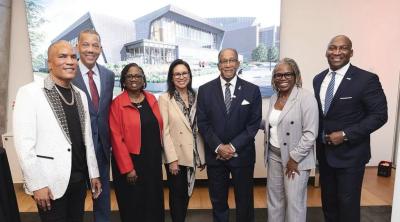 Education HBCU Leaders, Corporate Partners Convene in D.C. to Strengthen Support for Black Colleges' Athletic Programs
 Education Why Black Men Are Vanishing From HBCU Campuses
 Education USG Foundation Raises $2.4 Million
Comments
Be respectful. No personal attacks, hate speech, spam or anyone's private information. Every comment is reviewed before it appears. Comment rules
No comments yet. Be the first to share your thoughts.