7 Medicare Scam Warning Signs for Columbus Seniors After $46.2 Million Fraud Case
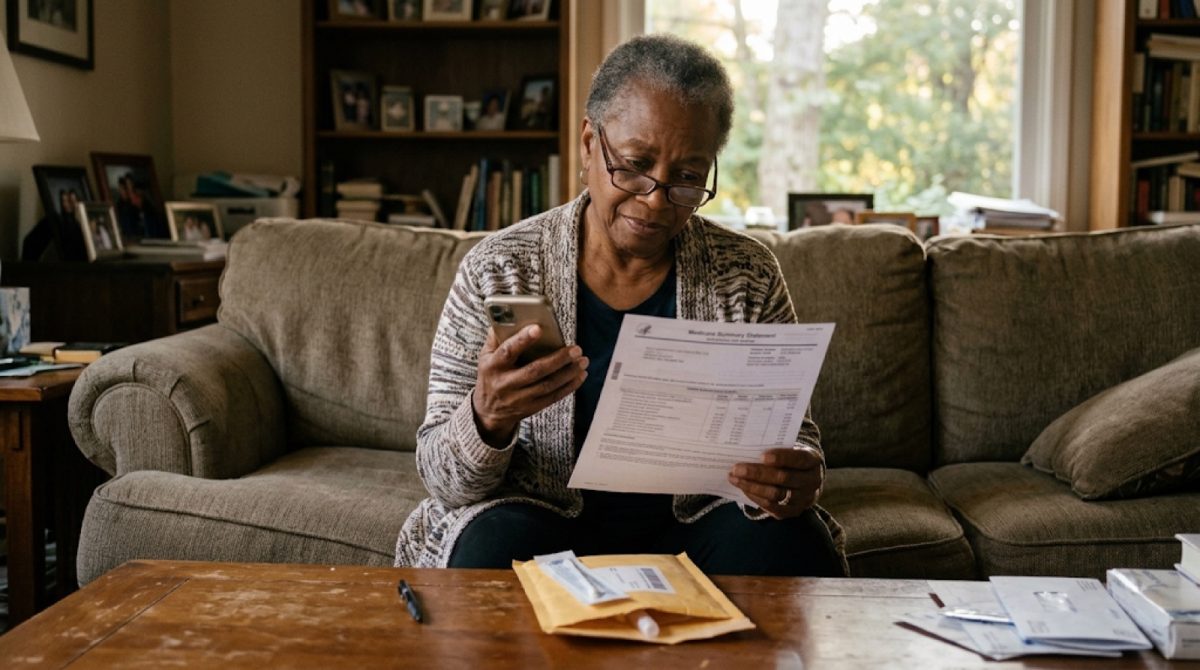
Medicare says it will never call you to sell you anything. Checking your statements is one way to spot charges for braces or tests you never received. Illustration: AI-generated
Columbus, Ga. — An unexpected call offering a brace or a free genetic test deserves a closer look, especially if the caller wants your Medicare number. A Florida telemedicine company owner was sentenced Friday, Oct. 23, to 20 years in prison for a $46.2 million Medicare fraud scheme that used aggressive marketing calls to push braces and genetic tests patients did not need.
The case reminds Columbus families to verify medical orders and check Medicare claims. Federal officials did not identify the patients’ locations or say anyone in Georgia was targeted.
What happened in the Florida case
Christopher Harwood, 44, of Fort Lauderdale, owned and operated a telemedicine company called TelevisitMD. According to the U.S. Department of Justice, Harwood and his co-conspirators contacted Medicare patients through aggressive telemarketing campaigns, persuading them to accept orthotic braces and genetic tests they did not need.
Harwood paid doctors to approve medical orders even though they did not follow Medicare's telemedicine rules, did not have genuine medical relationships with the patients and often had no meaningful interaction with them. He pleaded guilty in March 2026 to conspiracy to commit health care fraud and wire fraud. His sentence also included restitution and forfeiture.
How the brace and genetic-test scam works
The Justice Department described how unsolicited offers became Medicare claims:
1. The call: Telemarketers targeted Medicare patients with offers of braces or genetic tests they did not need.
2. The medical order: Harwood paid doctors to approve orders without complying with Medicare's telemedicine-visit rules. Doctors often signed without meaningful patient interaction.
3. The sale: Harwood sold signed orders to medical equipment suppliers, laboratories and marketers taking part in the scheme.
4. The bill: Harwood also used Florida-based medical equipment companies he owned to bill Medicare millions for braces patients did not want or need.
A doctor's signature on each order made the claims look routine, even though the doctors had no real medical relationship with the patients.
The case in numbers
| Measure | Reported figure |
|---|---|
| Fraudulent claims submitted to Medicare | $46.2 million |
| Amount Medicare paid | $17.9 million |
| Harwood's personal profit | More than $10.4 million |
| Restitution ordered to Medicare | $17,942,402 |
| Forfeiture ordered | $10,431,463 |
| Prison sentence | 20 years |
| Duration of conspiracy | More than six years |
| Guilty plea | March 2026 |
The $46.2 million was fraudulent billing, not Medicare payments. Medicare paid $17.9 million, while Harwood personally gained more than $10.4 million.
7 warning signs
Medicare and HHS-OIG identify several reasons to be cautious:
1. An unsolicited sales call. Medicare says it "will never call you to sell you anything or visit you at your home."
2. A free genetic-test offer. HHS-OIG warns about offers that lead to requests for Medicare numbers.
3. A demand for your Medicare number. Be suspicious when someone outside your doctor's office wants it for an unsolicited test.
4. A test your doctor did not order. HHS-OIG says to refuse genetic testing kits that your doctor did not order.
5. A surprise cheek swab or test kit. Kits arriving without a doctor's order are a warning sign.
6. Pressure to accept an unneeded brace. In the Florida case, aggressive telemarketing pushed patients to accept braces they did not need.
7. An offer involving money or gifts for free care. Medicare advises against accepting such offers.
These warning signs are useful beyond telephone calls. HHS-OIG says scammers also seek information at public-event booths, health fairs and through door-to-door visits.
What to do if you get one of these calls
1. Keep your number private. Do not give a caller your Medicare number or Social Security number. Medicare says to share those details only with your doctor or other people you know should have them.
2. Check with a trusted doctor. HHS-OIG says to accept genetic testing only when approved by a doctor you know and trust.
3. Refuse an unordered kit. If your doctor did not order a genetic testing kit, HHS-OIG advises refusing it.
4. Do not trade information for an offer. Medicare warns against offers of money or gifts in exchange for free medical care.
5. Report suspected fraud. Use the official reporting contacts below rather than relying on a number provided in an unsolicited pitch.
How to check your own Medicare claims
Medicare recommends checking provider receipts and statements for mistakes, comparing services and dates with your calendar.
If you have Original Medicare, you can create a secure account at Medicare.gov to view claims. Compare the dates and services shown there with the care you remember receiving. Keep the focus on whether the service actually matches your records, not simply whether a doctor's name appears on an order.
There is a financial reason to pay attention to genetic testing claims. HHS-OIG warns that if Medicare denies claims for unnecessary tests, patients could owe thousands of dollars. Question unsolicited free-test offers before sharing identifying information.
Where to report Medicare fraud
| Who to contact | Phone or website |
|---|---|
| Medicare fraud | 1-800-MEDICARE (1-800-633-4227) |
| Medicare Advantage or drug plan fraud | 1-877-7SAFERX (1-877-772-3379) |
| HHS Office of Inspector General | 1-800-HHS-TIPS (1-800-447-8477) |
| HHS-OIG online reporting | tips.hhs.gov |
| Senior Medicare Patrol | 877-808-2468; smpresource.org |
Senior Medicare Patrol also offers a “Find Help in Your State” locator at smpresource.org.
Three questions families may ask
Were Columbus residents victims in this case? The Justice Department did not identify the patients' locations. This was a South Florida federal case, and the announcement does not establish that patients in Georgia were involved.
Does a doctor's signature prove a test was needed? Not in the Harwood case. Prosecutors said doctors were paid to approve orders, frequently without meaningful interactions with patients or real medical relationships. HHS-OIG advises accepting genetic testing only when your own trusted doctor approves it.
Can a free test create a bill? HHS-OIG warns that patients could owe thousands of dollars if Medicare denies claims for unnecessary testing. That is why the word “free” should not replace a conversation with your doctor.
How we did this
The case details and numbers come from the U.S. Department of Justice Office of Public Affairs release dated Oct. 23, 2026, “Telemedicine Company Owner Sentenced to 20 Years in Prison for $46M Medicare Fraud Scheme.” Consumer guidance and telephone contacts come from Medicare.gov's “Reporting Medicare fraud & abuse,” HHS-OIG's genetic testing fraud alert and “Report Fraud” page, and the Senior Medicare Patrol Resource Center. The Justice Department did not disclose where the patients lived.
Source: U.S. Department of Justice release, Oct. 23, 2026 (as provided); Medicare.gov; HHS-OIG; Senior Medicare Patrol

News organizations may republish this story with credit. See our guidelines.
Know someone who'd want to read this? Email it to a friend.
Own a Columbus business? 60,000+ page views a month. Ads from $125/month. See ad optionsPlan your weekend with Columbus Times
Get This Weekend in Columbus every Thursday: the best local events, free things to do and family fun, plus each evening's local news. Free, and you can unsubscribe anytime.
Most read this week
- 8 Columbus Restaurants Got a C on Their Health Inspection in 2026, the Most of Any Year Since 2022. Here's Every One
- Georgia Spent $165.7 Million on Medicaid Work Requirement Program, but Only 18,527 Were Enrolled After 3 Years
- Georgia's 3 Amendments: Which Will Pass, Who's Against Them, and What Happens If They Fail
- The Night Fight on the Chattahoochee: How Columbus Became the Site of What Many Call the Last Battle of the Civil War
- The 10 Best Mexican Restaurants in Columbus, Ga., Ranked by Diners
More stories
 Health How to Deal With Toxic Family Members Without Losing Your Peace
 Health Georgia’s $166 Million Medicaid Program Faces Questions as State Seeks More Federal Funding
 Health Georgia Reports 22 Measles Cases in 2026 After New Case in Macon County
 Health Medicare Open Enrollment Starts Oct. 15: What's Changing for 2027 and How to Avoid Costly Mistakes
Comments
Be respectful. No personal attacks, hate speech, spam or anyone's private information. Every comment is reviewed before it appears. Comment rules
No comments yet. Be the first to share your thoughts.