Why Adult Siblings Sometimes Become Enemies After Their Parents Die
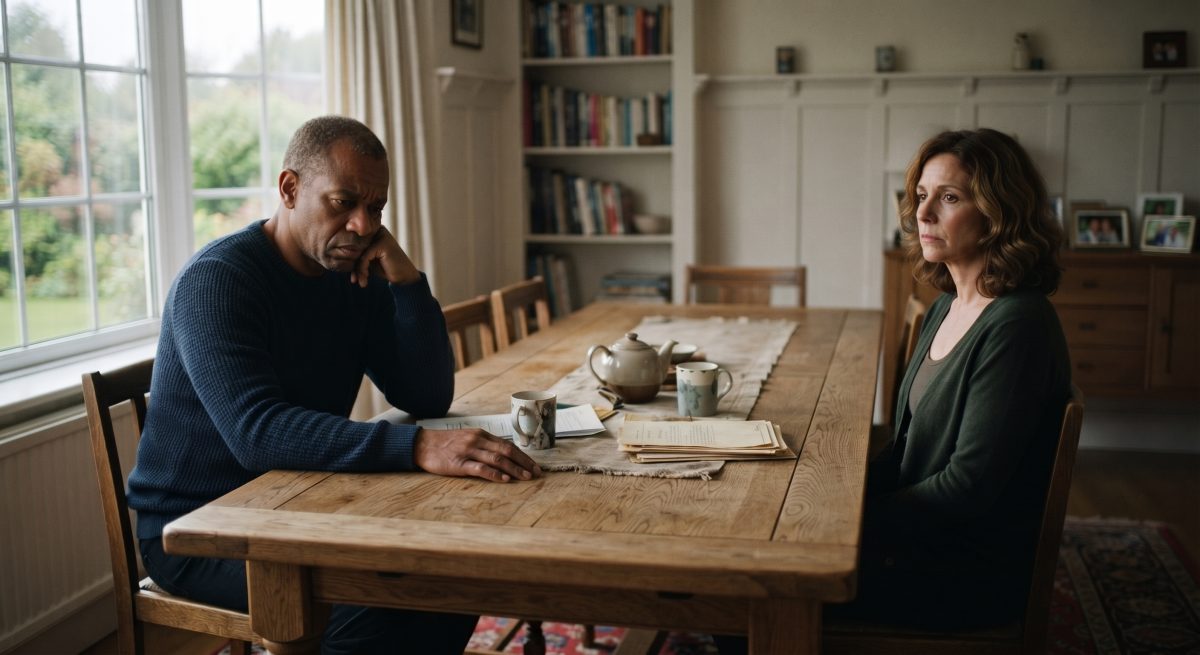
Adult siblings seated at a dining table with estate papers, reflecting the emotional distance and difficult family conversations that can follow the loss of a parent.
The death of a parent is often expected to bring brothers and sisters closer together. After all, siblings share childhood memories, family traditions and the experience of losing someone who played a central role in their lives. Yet for some families, the death of a mother or father marks the beginning of bitter disagreements, emotional estrangement and relationships that never fully recover.
Researchers have found that parental death can change adult sibling relationships in dramatically different ways. Some brothers and sisters develop stronger bonds, while others become increasingly distant or openly hostile. The reasons often extend far beyond disagreements over money, revealing unresolved childhood experiences, longstanding resentment and conflicting expectations about family responsibilities.
Research Shows That Losing a Parent Can Increase Sibling Conflict
A 2024 study published in the Journal of Marriage and Family examined 654 adult children from 303 families. Researchers found that daughters whose mothers had died within the previous five years experienced increased sibling tension, while the same pattern was not observed among sons. Disagreements frequently involved caregiving responsibilities, emotional support and perceptions of fairness.
Another study, published in 2015, examined 66 interviews with adults who had at least one living sibling. Researchers identified eight patterns following parental death, ranging from increased closeness to relationships that deteriorated significantly. The findings suggest that the death itself does not necessarily create hostility but can expose problems that have existed for decades.
1. Childhood Favoritism Can Resurface Decades Later
Many sibling conflicts begin long before adulthood. A parent may have favored one child, placed excessive responsibility on another or treated siblings differently based on personality, gender or family expectations. Even when these experiences are rarely discussed, the resulting resentment can remain beneath the surface for years.
When a parent dies, those old feelings may become more difficult to ignore. One sibling might remember being expected to handle family problems while another received praise or financial assistance. Without the parent present to explain decisions or maintain family connections, longstanding disagreements about fairness can become increasingly personal.
2. Inheritance Disputes Are Often About More Than Money
Dividing an estate can create tension even when the inheritance is relatively modest. Disagreements may involve a family home, sentimental possessions, jewelry, photographs or decisions about selling property. What appears to be a financial dispute may actually reflect deeper feelings about recognition, belonging and whether a parent valued one child more than another.
For example, a sibling who provided years of unpaid caregiving may believe they deserve a larger inheritance. Another may argue that the parent’s wishes or equal distribution should determine the outcome. When expectations differ, even ordinary estate decisions can become emotionally charged and lead to accusations of selfishness or betrayal.
3. Unequal Caregiving Creates Resentment
Few family responsibilities expose disagreements as clearly as caring for an aging parent. One adult child may spend years arranging medical appointments, managing medications and providing daily assistance while other siblings contribute less directly or live hundreds of miles away. The caregiving sibling may eventually feel abandoned, exhausted or unappreciated.
Research published in 2024 found important differences in how adult sons and daughters viewed family caregiving responsibilities. Some daughters expressed frustration toward brothers who had contributed less to their mother’s care, while many sons perceived the division of responsibilities more positively. Such differences illustrate how family members can experience the same circumstances but reach very different conclusions about what was fair.
4. Parents Sometimes Hold the Family Together
In many families, parents serve as the primary connection between adult children. Siblings who rarely communicate directly may still gather for birthdays, holidays and family celebrations organized by their mother or father. These traditions can create the appearance of a close family even when the relationships between siblings are relatively weak.
Once both parents are gone, the person who maintained those connections is no longer there. Brothers and sisters must decide whether they genuinely want relationships independent of their shared parents. A 2009 study published in Research on Aging found that parental death was associated with decreased closeness between adult siblings, demonstrating how the loss of a parent can reshape the entire family structure.
5. Old Family Roles Can Become Sources of Conflict
Families sometimes assign children informal roles that continue into adulthood. One sibling may be viewed as the responsible problem-solver, another as the successful child and another as the person blamed whenever disagreements occur. These patterns can persist even after everyone has established separate households and careers.
Following a parent’s death, the roles may become more obvious as siblings negotiate funeral arrangements, property decisions and family obligations. A person who spent childhood feeling dismissed or unfairly blamed may become less willing to accept the same treatment as an adult. What relatives interpret as a sudden personality change may instead reflect someone establishing boundaries that were previously discouraged.
6. Grief Can Intensify Existing Problems
People do not experience grief in identical ways. One sibling may withdraw emotionally, another may become unusually irritable and another may focus intensely on practical responsibilities. These different responses can create misunderstandings, particularly when relatives expect everyone to mourn or behave similarly.
Grief can also intensify feelings of guilt, anger and regret about a parent’s final years. Someone who believes they did not spend enough time with a dying parent may struggle with painful emotions, while another sibling may feel overwhelmed after providing extensive care. Without patience and communication, those emotions can become directed toward family members who are grieving differently.
7. Some Relationships Were Never Healthy
Not every sibling relationship begins with closeness or mutual respect. Some adults have endured years of verbal mistreatment, manipulation, bullying or repeated violations of personal boundaries by brothers or sisters. The death of a parent may remove the expectation that everyone must continue gathering or maintaining contact.
The American Psychological Association notes that disagreements surrounding parental illness, caregiving and inheritance can contribute to sibling estrangement. For some adults, reducing contact represents a painful loss; for others, it may provide relief from longstanding conflict. Estrangement should not automatically be viewed as either a failure or a solution, because each family’s circumstances are different.
Can Adult Siblings Repair Their Relationships?
Reconciliation is possible when family members are willing to acknowledge past problems, communicate respectfully and accept responsibility for harmful behavior. Financial disputes may benefit from neutral mediators or estate attorneys, while longstanding emotional conflicts may require counseling and a willingness to reconsider deeply held assumptions. Simply demanding that everyone forget the past rarely resolves the underlying issues.
However, rebuilding a relationship requires cooperation. One sibling cannot create a healthy connection alone if another repeatedly engages in intimidation, manipulation or abuse. Sometimes maintaining limited contact, establishing firm boundaries or accepting permanent distance is healthier than continuing destructive interactions.
When Losing a Parent Means Losing Your Family, Too
For some adults, the death of a parent brings a second unexpected loss: the disappearance of relationships with brothers and sisters they once considered permanent. Family gatherings stop, telephone calls become less frequent and disagreements that began over relatively small matters develop into years of silence. The emotional consequences can be especially painful because siblings share a history that nobody else can completely understand.
Ultimately, parental death does not affect every family the same way. Some siblings discover a deeper appreciation for one another, while others recognize that their relationships depended largely on the presence of their parents. Understanding these patterns can help families approach grief, inheritance and unresolved disagreements with greater awareness—and recognize that being related does not automatically guarantee a healthy relationship.
Source: * American Psychological Association (APA) — Coping With Family Estrangement * Journal of Marriage and Family (2024) — How Gender Shapes Sibling

News organizations may republish this story with credit. See our guidelines.
Know someone who'd want to read this? Email it to a friend.
Own a Columbus business? 60,000+ page views a month. Ads from $125/month. See ad optionsPlan your weekend with Columbus Times
Get This Weekend in Columbus every Thursday: the best local events, free things to do and family fun, plus each evening's local news. Free, and you can unsubscribe anytime.
Most read this week
- Georgia's 3 Amendments: Which Will Pass, Who's Against Them, and What Happens If They Fail
- Georgia's 3 Constitutional Amendments on the Nov. 3 Ballot, Explained in Plain English
- Early Voting in Columbus Starts Oct. 13: Every Site, the Hours, and What's on Your Ballot
- USDA Awards $3.3 Billion Loan for Georgia Power Plant to Meet Rising Electricity Demand
- Georgia Election Forecast 2026: Who Is Projected to Win Every Major Race?
More stories
 Health Medicare Open Enrollment Starts Oct. 15: What's Changing for 2027 and How to Avoid Costly Mistakes
 Health Know Your Numbers: The 4 Health Checks Columbus Adults Shouldn't Skip, and Where to Get Them Free or Low-Cost
 Health Where to Get a Flu Shot in Columbus This Fall
 Health Type 2 Diabetes Doesn't Have to Be Your Future: Medicare Has a Benefit That Can Help
Comments
Be respectful. No personal attacks, hate speech, spam or anyone's private information. Every comment is reviewed before it appears. Comment rules
No comments yet. Be the first to share your thoughts.