$249,000 Home in Columbus, Georgia: The $1,640 Monthly Cost Buyers Need to Know
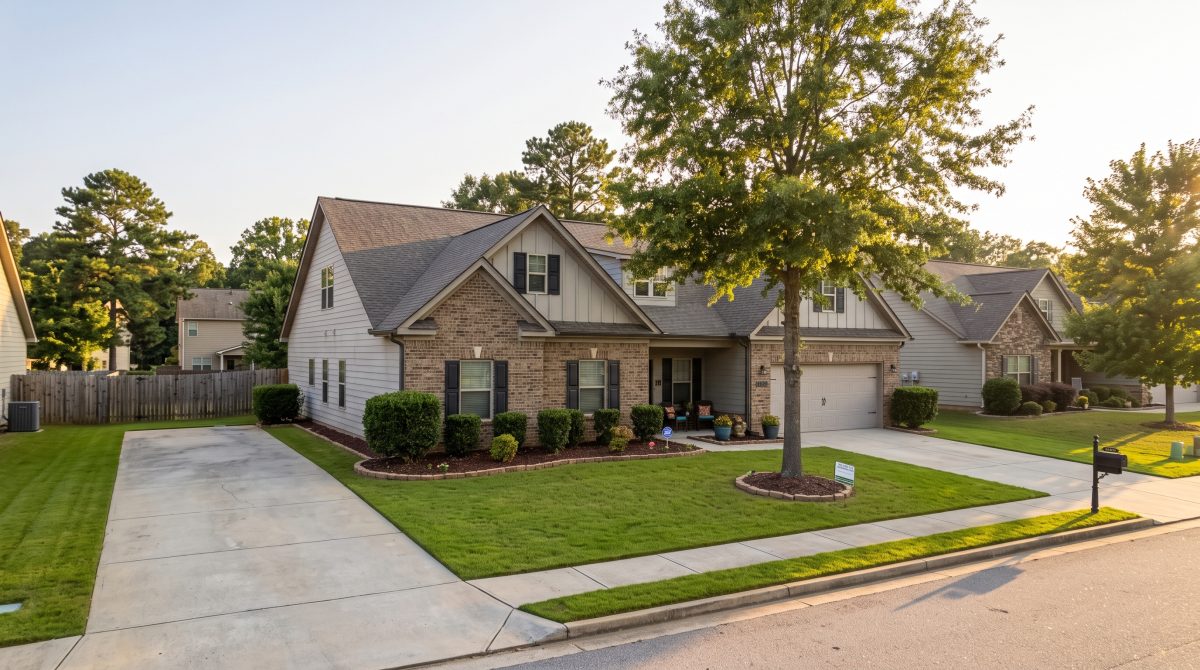
Buying a home in Columbus, Georgia, may cost less than purchasing one in many larger American cities, but the sale price tells only part of the story. Buyers must also account for mortgage interest, property taxes, homeowners insurance, maintenance, utilities and the occasional expensive repair. Those additional costs can make the difference between a home that fits comfortably within a household budget and one that becomes a financial strain.
Recent housing figures show that Columbus remains comparatively affordable, although prices vary depending on the neighborhood, the age of the home and the type of property. Redfin reported a median sale price of approximately $249,000 for Columbus during the three months ending in August 2026, up 1.6% from the same period a year earlier. Meanwhile, U.S. Census Bureau estimates put the median value of owner-occupied homes in the city at $193,900 for 2020–2024. These numbers measure different things: one reflects recent home sales, while the other comes from a multiyear survey of existing homes. (Redfin)
For buyers trying to determine whether homeownership is affordable, the most useful question is not simply how much a house costs. It is how much money a household will need every month to own and maintain it.
1. What Does a Typical Columbus Home Cost?
Home prices depend heavily on location and property condition. Buyers may find older homes that need repairs at lower prices, while renovated properties, newer construction and homes in certain subdivisions can cost considerably more.
The recent median sale price of about $249,000 provides one benchmark for understanding the cost of purchasing a home in the current market. It does not mean every home sells for that amount, and buyers should compare similar properties rather than relying on a citywide median alone. (Redfin)
For example, a buyer looking at a $200,000 home faces a substantially different financial commitment from someone purchasing a $300,000 property. The larger purchase price generally means a larger down payment, a higher mortgage payment and potentially higher property taxes and insurance premiums.
Buyers should also distinguish between the advertised price and the total cash needed to close. Depending on the loan, down payment and negotiated terms, closing costs can include lender fees, appraisal charges, title expenses, prepaid insurance and property-tax deposits. Some costs may be negotiated or covered through seller concessions, but buyers should not assume that the down payment is the only upfront expense.
2. What Would the Monthly Mortgage Payment Be?
Mortgage payments depend on the purchase price, down payment, interest rate and loan term. To illustrate the cost, consider a hypothetical buyer purchasing a $249,000 home with a 30-year fixed-rate mortgage at an assumed 6.5% interest rate.
With a 20% down payment, the buyer would put down $49,800 and finance $199,200. The estimated principal-and-interest payment would be approximately $1,258 per month.
That figure covers only the loan principal and interest. It does not include property taxes, homeowners insurance, mortgage insurance, homeowners association fees or repairs. The assumed interest rate is for illustration, not a quote or a guarantee of the rate a buyer could obtain.
A buyer making a smaller down payment would generally borrow more and have a higher monthly payment. Depending on the loan program and credit profile, a down payment below 20% may also trigger private mortgage insurance or another form of mortgage insurance.
This is why two households purchasing homes at the same price can have noticeably different monthly expenses. The amount borrowed, the interest rate and the loan’s insurance requirements all matter.
3. Property Taxes Add Another Layer of Expense
Property taxes are an important part of the cost of owning a home in Columbus. The amount a homeowner pays depends on the property’s taxable value, applicable tax rates, exemptions and the taxing districts involved.
Columbus and Muscogee County offer homestead exemptions for qualifying homeowners who own and occupy a property as their legal residence. These exemptions can reduce the taxable amount, but eligibility rules and the amount of the benefit vary. Homeowners generally must apply rather than assume the exemption will automatically be included when they purchase a property. (Columbus GA Government)
The city also publishes annual tax-digest and millage-rate information, including notices about proposed changes. Buyers should check the current tax bill for the specific property and confirm what exemptions, if any, will apply after the sale. A previous owner’s tax bill may not accurately represent the new owner’s future costs. (Columbus GA)
For budgeting purposes, it is better to use the property’s expected tax bill than to rely on a general citywide estimate. A difference of even $50 per month can add up to $600 a year.
4. Homeowners Insurance Can Change the Numbers
Homeowners insurance protects against covered losses involving the house and certain belongings, while also providing liability coverage under the terms of the policy. The premium varies by property, insurer, deductible, coverage limits, roof condition, claims history and other underwriting factors.
Insurance should be included in the monthly budget from the beginning, not treated as an expense to consider after a mortgage has been approved. A lender may require proof of coverage before closing, and many borrowers pay their premiums through an escrow account along with property taxes.
For an illustration of the full monthly cost, a Columbus housing-market analysis published by Columbus State University’s Turner College of Business estimated that, in January 2026, monthly homeownership costs for a median-priced home in the Columbus metropolitan area included approximately $204 for homeowners insurance. That is a regional estimate for a particular period, not a quote for every Columbus property. Actual premiums can be higher or lower. (Columbus State University)
Buyers should request insurance quotes for the specific house before finalizing their budget. A house with an older roof, outdated systems or other risk factors may carry a different premium from a comparable property in better condition.
5. A Realistic Monthly Homeownership Budget
What might a buyer actually pay each month for a $249,000 home in Columbus?
The following example combines the estimated mortgage payment on a 20%-down loan with illustrative monthly amounts for taxes and insurance. It is a planning example, not an estimate for a specific property.
Expense Estimated monthly cost Mortgage principal and interest $1,258 Property taxes $178 Homeowners insurance $204 Estimated monthly total $1,640
The tax and insurance figures are based on a regional housing-cost analysis and are included to illustrate how expenses can add up. A buyer’s actual property taxes and insurance may differ. The estimate also assumes no mortgage insurance and excludes homeowners association fees, utilities and maintenance. (Columbus State University)
At approximately $1,640 per month, the example totals $19,680 per year before those additional expenses. A buyer should not treat that amount as the complete cost of owning the property.
Utilities such as electricity, water, sewer, trash service and internet can add hundreds of dollars to a household’s monthly spending, depending on the home and usage. Lawn care, pest control and routine upkeep can add more. Homeowners should also plan for repairs that do not occur every month but can be expensive when they arise.
6. Maintenance Is the Expense Buyers Often Underestimate
Renters can usually contact their landlord when a major household system breaks. Homeowners generally have to pay for repairs themselves, unless a warranty or insurance policy covers the problem.
A leaking roof, failed air-conditioning system, plumbing problem or appliance replacement can create an unexpected bill. In Columbus, where summer heat makes air conditioning especially important, buyers should pay close attention to the age and condition of the cooling system before purchasing a property.
One common budgeting approach is to set aside around 1% of a home’s value each year for maintenance and repairs. This is a rule of thumb rather than a guarantee of what a house will cost to maintain. Older homes or properties with deferred maintenance may require substantially more, while newer homes may need less in the early years.
For a $249,000 house, 1% would equal $2,490 annually, or approximately $208 per month. That money might not be spent every month, but saving it regularly can make an unexpected repair easier to manage.
A home inspection can help identify potential problems before closing. Buyers should pay particular attention to the roof, heating and cooling systems, plumbing, electrical components, drainage and signs of moisture. The inspection does not eliminate every risk, but it can help buyers estimate future costs and negotiate repairs where appropriate.
7. How Much Cash Should Buyers Have Before Closing?
The down payment is often the largest upfront expense, but it is not the only one. Buyers may also need money for closing costs, inspections, moving expenses, utility deposits, immediate repairs and household necessities.
On a $249,000 home, a 20% down payment would be $49,800. A buyer who puts down less may need less cash upfront, but the trade-off can be a larger mortgage payment and possible mortgage insurance.
The right down payment depends on the buyer’s finances and the loan program. A buyer should compare the total monthly payment, upfront costs and long-term borrowing costs rather than automatically assuming that the largest possible down payment is always the best choice.
It is also wise to keep an emergency fund separate from the money needed to buy the house. Spending every available dollar at closing can leave a homeowner vulnerable if a car breaks down, income falls or the house needs an urgent repair.
8. Does Owning Cost Less Than Renting in Columbus?
The answer depends on the home, the mortgage terms and how long someone expects to stay.
The Census Bureau reported median gross rent of $1,106 per month in Columbus for 2020–2024. Its median monthly owner costs for homes with a mortgage were $1,489 over the same period. These are historical survey figures covering different households and housing arrangements, so they are not a direct comparison of the cost of buying and renting the same property today. (Census.gov)
For buyers considering a home at today’s prices, the mortgage payment alone may be comparable to or higher than rent for some properties. Adding taxes, insurance and maintenance can widen the difference. However, renters may also face rent increases, while homeowners can build equity as they pay down their loans, although home values can rise or fall.
Buying also involves transaction costs, and selling a home can be expensive. Someone who expects to move again soon should carefully consider whether purchasing makes financial sense. For a household planning to stay for several years, the stability and potential equity of homeownership may be valuable, provided the property remains affordable.
9. Five Ways Columbus Buyers Can Avoid Costly Surprises
First, calculate the full payment before making an offer. Include principal, interest, taxes, insurance and any mortgage insurance or homeowners association fees. A lender’s preapproval amount is not necessarily the amount a household can comfortably afford.
Second, get an insurance quote early. Request a quote for the actual property and verify what the policy covers, its deductible and any exclusions. Do not rely solely on a broad city or state average.
Third, review the property-tax information. Ask for the current tax bill and investigate whether a homestead exemption or other benefit will apply after closing. Confirm the current rules and filing deadlines with the local tax office.
Fourth, pay attention to the home’s condition. A lower-priced property may need a new roof, air-conditioning system or other major work. An inspection and estimates from qualified contractors can help reveal whether the purchase price reflects the home’s true condition.
Fifth, maintain savings after the purchase. Homeownership is easier to manage when the household has money set aside for maintenance, emergencies and changes in monthly expenses. A budget that works only when nothing goes wrong is too tight.
The Bottom Line: The Purchase Price Is Only the Starting Point
Columbus remains a relatively affordable housing market compared with many larger U.S. cities, but homeownership still requires careful planning. Recent sale prices, mortgage rates, property taxes, insurance premiums and repair costs all influence what a homeowner actually spends.
For a hypothetical $249,000 home purchased with 20% down, the mortgage, taxes and insurance could total roughly $1,640 per month using the assumptions in this article. Once utilities, maintenance and other household expenses are included, the real cost will be higher.
The best approach is to calculate the expenses for the specific property, get an insurance quote, review the tax bill and preserve savings for repairs. Buyers who understand those costs before closing will be in a stronger position to decide whether a home fits their budget—not just on the day they buy it, but for years afterward.
News organizations may republish this story with credit. See our guidelines.
Know someone who'd want to read this? Email it to a friend.
Own a Columbus business? Reach 40,000+ monthly readers. Ads from $125/month. See ad optionsPlan your weekend with Columbus Times
Get This Weekend in Columbus every Thursday: the best local events, free things to do and family fun, plus each evening's local news. Free, and you can unsubscribe anytime.
More stories
 Business Is $60,000 a Year Enough to Live Comfortably in Columbus, Georgia? Here’s the Breakdown
 Business 1,200+ Jobs Announced: 6 Columbus-Area Businesses Expanding and Hiring
 Business 6 Restaurant and Retail Developments Columbus, Georgia, Residents Should Know About in 2026
 Business What $300,000 Buys You in Columbus, Phenix City and Harris County