The Columbus Neighborhoods People Should Know About
Columbus, Georgia, is often recognized for Fort Moore, its growing riverfront, and its position along the Chattahoochee River. But to understand the city, residents and visitors need to look beyond its major attractions.
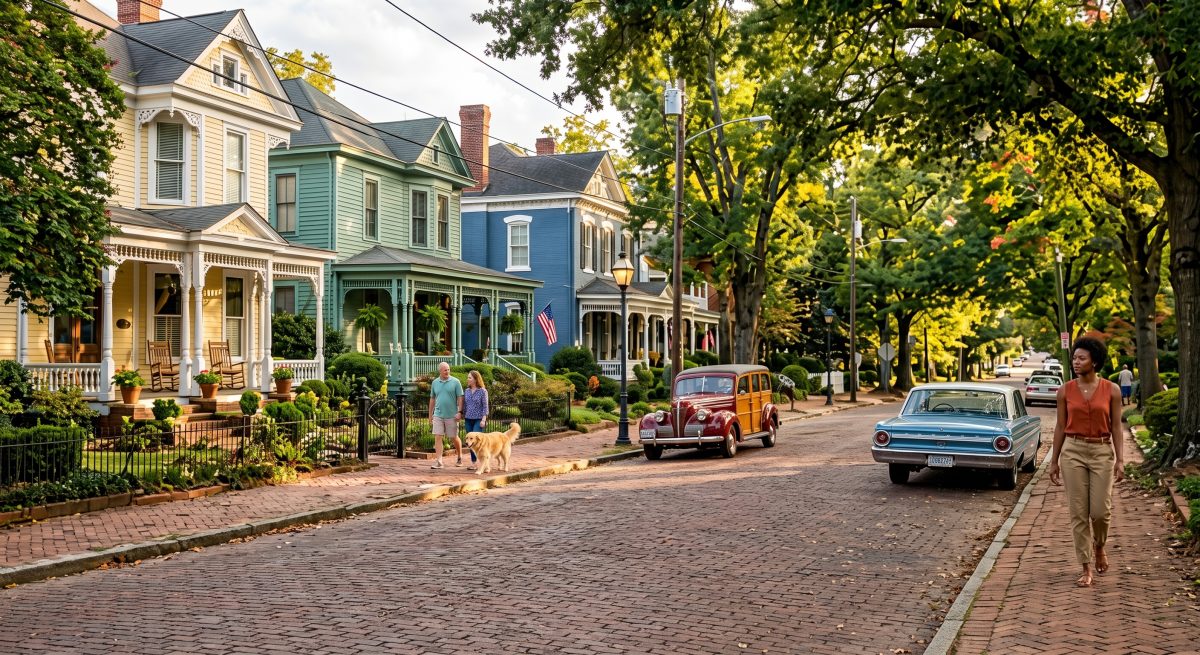
Columbus is a city of distinct neighborhoods, each with its own character, history, architecture, and relationship to the community around it. Some areas reflect the city’s industrial past. Others offer a glimpse of its historic homes, established residential streets, and changing urban landscape.
Neighborhoods also help tell the story of how Columbus has grown, from a 19th-century industrial center to a regional hub for business, education, military families, and tourism.
Whether someone has lived in Columbus for decades, recently moved to the area, or is considering making the city home, these are 10 neighborhoods and historic areas worth knowing.
1. Downtown Columbus: Where the City’s Past Meets Its Future
Downtown Columbus is one of the most recognizable parts of the city, combining historic buildings, government offices, cultural attractions, restaurants, and entertainment.
Its location along the Chattahoochee River helped establish Columbus as an important industrial center. The river powered mills and manufacturing operations that contributed to the city’s economic development.
Today, the downtown riverfront has become an important part of Columbus’s identity. The Chattahoochee RiverWalk offers residents and visitors opportunities to walk, exercise, and experience the river that helped shape the city.
Downtown is also home to cultural destinations, including the RiverCenter for the Performing Arts and the Columbus Museum, which contribute to the city’s arts and entertainment scene.
The area’s ongoing development reflects a broader effort to make the urban core a destination for residents, businesses, and visitors.
Why it matters: Downtown connects Columbus’s industrial history with its modern ambitions. It is an important place to understand the city’s economic development, cultural institutions, and relationship with the river.
2. Columbus Historic District: A Window Into the City’s Architectural Heritage
Columbus has several historic areas that preserve the architectural character of earlier generations.
The Columbus Historic District and nearby historic residential streets feature buildings that reflect different periods of the city’s development. Depending on the location, visitors may encounter Victorian-era architecture, traditional Southern homes, and residences built during the city’s periods of economic growth.
These areas offer a visible reminder that Columbus developed long before modern subdivisions, shopping centers, and interstate highways transformed the region.
Historic neighborhoods also raise important questions about preservation. Maintaining older homes and buildings requires investment, while redevelopment can create tensions between protecting neighborhood character and accommodating new needs.
For residents interested in local history, these districts provide an opportunity to see how architectural styles, street layouts, and residential development have changed over time.
Why it matters: Historic neighborhoods preserve the physical evidence of Columbus’s past and help future generations understand how the city developed.
3. Wynnton: An Established Neighborhood With Deep Roots
Wynnton is one of the established residential areas of Columbus and is associated with the city’s historic residential development.
The broader Wynnton area includes tree-lined streets, older homes, and properties that reflect multiple generations of local growth. Its residential character contrasts with the commercial activity found along some of the city’s major corridors.
One of the area’s notable landmarks is the historic Columbus High School building, which reflects the importance of education in the community’s development. The surrounding area also connects residents to schools, churches, parks, and other institutions that have served Columbus families.
Wynnton illustrates how established neighborhoods can retain their identity even as surrounding commercial districts and transportation routes evolve.
Like many older residential areas, it also highlights the importance of maintaining homes, preserving historic features where appropriate, and ensuring that neighborhood improvements benefit the people who live there.
Why it matters: Wynnton offers a look at the residential traditions that helped shape modern Columbus and the lasting role of established neighborhoods in community life.
4. Midtown Columbus: A Major Part of Everyday City Life
Midtown is an important part of Columbus’s residential and commercial landscape.
The area includes established neighborhoods, shopping corridors, medical offices, restaurants, schools, and other services that residents use every day. Its central location makes it an important connection between different parts of the city.
Unlike a destination defined primarily by tourism, Midtown is closely tied to the routines of everyday life. Residents travel its roads to work, shop, attend appointments, and access community services.
Its mixture of older residential areas and commercial development also demonstrates how Columbus has expanded and adapted to changing population patterns.
As the city continues to grow, Midtown’s future will depend in part on how it balances transportation needs, housing maintenance, commercial investment, and neighborhood quality of life.
Why it matters: Midtown helps explain how Columbus functions as a living community beyond its best-known attractions and historic landmarks.
5. Bibb City: Remembering Columbus’s Industrial Heritage
Bibb City has a distinctive place in the history of Columbus because of its connection to the textile industry.
The community developed around the Bibb Manufacturing Company’s textile operations. Industrial employment helped shape the surrounding residential environment, where the lives of workers and their families were closely connected to the factory.
Bibb City was historically a separate municipality before becoming part of Columbus in 2000. Its history reflects an era when industrial employers played an influential role in the development of entire communities.
The area’s story also connects to broader questions about Southern industry, working-class life, and the economic changes that affected textile manufacturing across the region.
As manufacturing patterns changed, communities built around mills faced new challenges involving employment, redevelopment, and the preservation of local identity.
Bibb City’s history remains an important part of the larger Columbus story because it shows how industry shaped not only the economy but also where people lived and how communities formed.
Why it matters: Bibb City preserves an important chapter of Columbus’s industrial and working-class history.
6. North Columbus: A Different Side of the City
North Columbus encompasses a broad area of residential communities, shopping destinations, restaurants, and major transportation corridors.
For many residents, this part of the city represents the suburban side of Columbus, with neighborhoods that offer access to everyday services and routes connecting different parts of the metropolitan area.
The area is not a single neighborhood with one uniform identity. Instead, it includes multiple residential developments and commercial districts, each with its own characteristics.
Its growth reflects the expansion of housing and retail development beyond Columbus’s historic urban core.
North Columbus also demonstrates why the city’s identity cannot be understood through downtown alone. Many residents experience Columbus primarily through their residential communities, nearby schools, shopping areas, and daily commutes.
For people considering a move to the city, it is important to evaluate individual neighborhoods rather than treating the entire northern part of Columbus as one community.
Housing costs, commute times, nearby services, traffic, and neighborhood conditions can vary significantly from one area to another.
Why it matters: North Columbus illustrates the city’s continued residential expansion and the variety of communities that make up modern Columbus.
7. South Columbus: Residential Communities With Strong Connections to Everyday Life
South Columbus includes established residential areas, commercial corridors, schools, churches, and community institutions that serve residents throughout the southern part of the city.
Like other large sections of Columbus, it contains neighborhoods with different histories and characteristics. Some areas reflect earlier periods of residential development, while others have been shaped by more recent construction and changing commercial activity.
Understanding South Columbus requires looking beyond broad geographic labels. Individual streets and subdivisions may differ in housing styles, access to services, and the resources available to residents.
The area’s community institutions also play an important role in local life. Churches, schools, neighborhood organizations, and small businesses can provide gathering places and connections that extend beyond residential boundaries.
As Columbus considers future development, ensuring that established neighborhoods receive attention alongside newer growth remains an important part of maintaining a balanced city.
Why it matters: South Columbus is an essential part of the city’s residential landscape and a reminder that community identity is shaped by everyday relationships and institutions.
8. East Columbus: Neighborhoods Shaped by Growth and Transportation
East Columbus includes residential communities and commercial areas connected by major roads that serve the city’s eastern side.
The area’s development reflects the broader growth of Columbus beyond its original industrial and commercial center.
For residents, access to employment, shopping, schools, medical services, and transportation can influence which neighborhoods best fit their needs. Those considerations are particularly important in a city where daily travel patterns can vary considerably by location.
East Columbus should not be viewed as a single, uniform neighborhood. It includes multiple communities, and the experience of living in one area may differ substantially from another.
As the city grows, maintaining infrastructure, improving transportation connections, and supporting existing businesses will remain important considerations for neighborhoods throughout the eastern part of Columbus.
Why it matters: East Columbus demonstrates how residential expansion and transportation networks have helped shape the city’s modern geography.
9. The Lakebottom Area: Neighborhood Life Near a Beloved Park
Lakebottom is a name familiar to many Columbus residents, particularly those who enjoy spending time outdoors.
The area around Lakebottom Park offers access to green space and recreational opportunities within an established part of the city.
Parks can play a significant role in neighborhood identity. They provide places for exercise, informal gatherings, family activities, and community events while offering a break from the surrounding streets and buildings.
For nearby residents, access to a park can make outdoor recreation part of everyday life rather than something that requires a long drive.
Lakebottom also illustrates the importance of public spaces in older cities. As residential areas evolve, parks can remain enduring community assets that connect longtime residents with newer arrivals.
The surrounding area should be evaluated street by street by anyone considering a move, since housing, traffic, and other neighborhood characteristics can vary.
Why it matters: The Lakebottom area highlights the role of parks and shared public spaces in creating livable neighborhoods.
10. The Historic Black Community and Neighborhoods That Tell a Larger Story
Columbus’s African American history is an essential part of the city’s identity, and its historic Black communities deserve recognition in any discussion of local neighborhoods.
African American residents helped build Columbus through their labor, businesses, churches, educational institutions, civic leadership, and cultural contributions. Their experiences also reflect the effects of segregation, unequal access to housing and education, and the long struggle for civil rights.
Historic Black neighborhoods and business districts provide an important lens through which to understand that history.
Black churches, historic schools, community institutions, and surviving commercial buildings can preserve memories of periods when African American residents created spaces for worship, education, entrepreneurship, and political organizing despite significant barriers.
The history of these communities is not limited to the past. Black-owned businesses, civic organizations, churches, and cultural institutions continue to contribute to Columbus’s economic and social life.
Documenting specific historic Black neighborhoods also requires careful local research. Street boundaries and neighborhood names have changed over time, and some historically significant places may no longer look as they once did.
Residents interested in exploring this history can begin with Columbus’s historic landmarks, local archives, and organizations dedicated to preserving African American heritage.
Why it matters: Recognizing Columbus’s historic Black communities provides a fuller account of the people, institutions, and struggles that helped shape the city.
What These Neighborhoods Say About Columbus
Taken together, Columbus’s neighborhoods reveal a city shaped by industry, transportation, education, military connections, residential growth, and cultural heritage.
Downtown reflects the city’s relationship with the Chattahoochee River. Bibb City tells the story of industrial development and working-class communities. Wynnton and other established residential areas preserve evidence of earlier generations. Midtown and the city’s northern, southern, and eastern communities demonstrate how Columbus has expanded to accommodate changing needs.
Parks and historic districts add another dimension, showing how shared spaces and preserved buildings can help communities maintain a sense of identity.
The city’s African American history is equally important. Understanding Columbus means recognizing the people and institutions that helped build it, including communities whose stories have not always received equal attention.
These neighborhoods are not frozen in time. They continue to change as residents maintain older homes, businesses open and close, new housing is developed, and community organizations respond to local needs.
That ongoing change makes neighborhood preservation and responsible development important issues for Columbus residents.
How to Explore Columbus’s Neighborhoods
For residents who want to learn more about their city, exploring its neighborhoods can be a useful starting point.
Consider these approaches:
- Visit historic districts. Look for preserved architecture, historic markers, and landmarks that explain how Columbus developed.
- Explore the riverfront. The Chattahoochee RiverWalk offers a different perspective on the city’s industrial history and modern development.
- Spend time in local parks. Public spaces can provide insight into how residents use and value their neighborhoods.
- Support local businesses. Independent businesses and neighborhood establishments contribute to the character of their surrounding communities.
- Learn from local historians. Historical societies, archives, museums, and preservation organizations can help identify specific sites and explain their significance.
- Research before choosing a neighborhood. People considering a move should compare individual areas based on housing costs, commute times, schools, amenities, and current neighborhood conditions rather than relying on broad labels.
Exploration is most rewarding when residents approach each neighborhood with curiosity and a willingness to learn its history.
The Bottom Line
Columbus, Georgia, is more than a collection of roads, subdivisions, and commercial centers. Its neighborhoods reflect generations of work, migration, community building, cultural change, and local pride.
From the historic riverfront to former mill communities, established residential areas, and neighborhoods shaped by African American heritage, each part of the city contributes to a broader understanding of Columbus.
Knowing these neighborhoods helps residents appreciate not only where they live but also the history and people that made the city what it is today.
For longtime residents, that knowledge can deepen their connection to home. For newcomers, it can provide a more meaningful introduction to Columbus beyond the places they encounter during an ordinary commute.
And for anyone interested in the city’s future, understanding its neighborhoods is an important first step toward understanding Columbus itself.
News organizations may republish this story with credit. See our guidelines.
Know someone who'd want to read this? Email it to a friend.
Own a Columbus business? Reach 40,000+ monthly readers. Ads from $125/month. See ad optionsPlan your weekend with Columbus Times
Get This Weekend in Columbus every Thursday: the best local events, free things to do and family fun, plus each evening's local news. Free, and you can unsubscribe anytime.
More stories
 Local Columbus, Georgia, History Facts That May Surprise Even Lifelong Residents
 Business The Columbus Businesses People Would Hate to Lose
 Sponsored RFB No. 27-0011 Tennis Court Resurfacing at Lakebottom Park and Double Churches Park
 Business What Does a $100,000 Salary Get You in Columbus, Georgia? Here’s the Breakdown