Fall Is Georgia's Second Tornado Season: What Columbus Emergency Management and the National Weather Service Say to Do Before a Warning
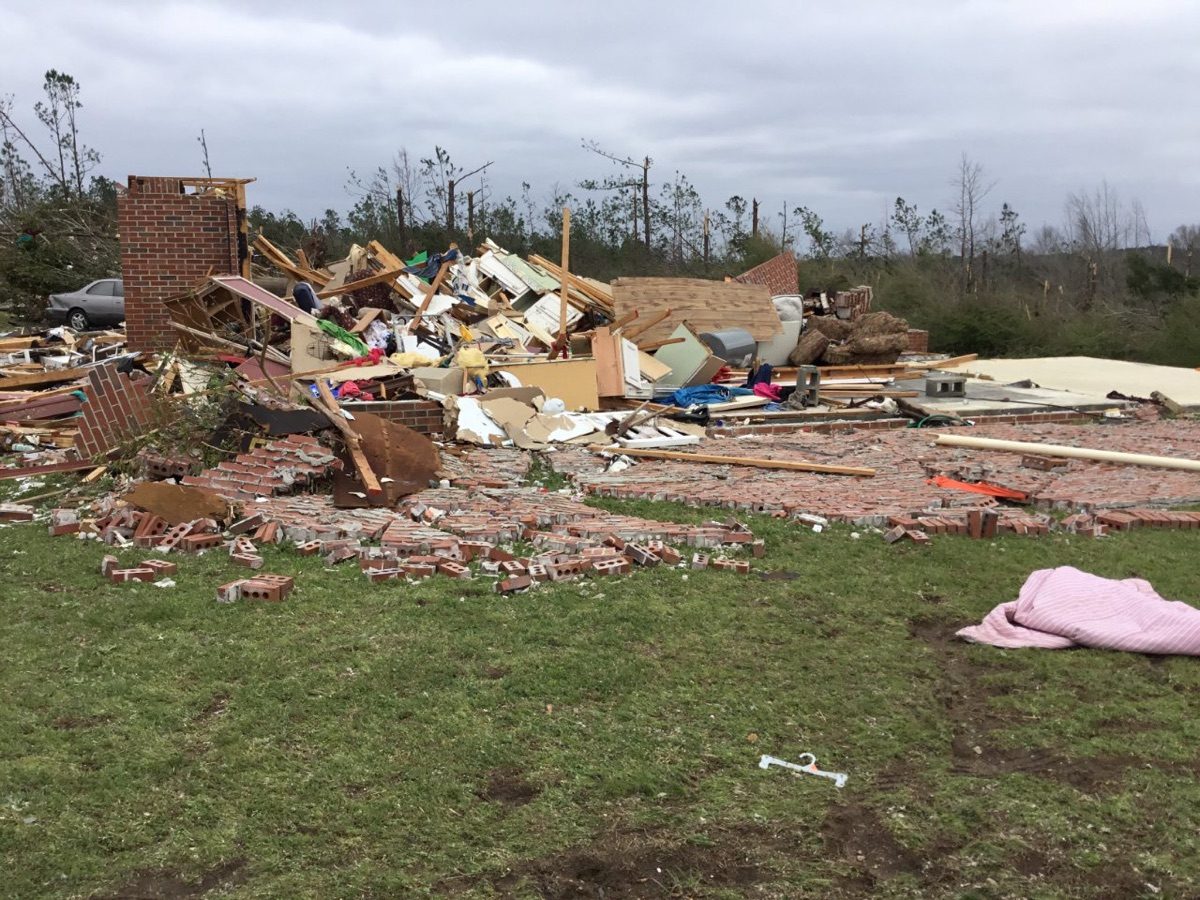
Damage from an EF4 tornado in Lee County, Alabama, on March 3, 2019, as documented by the National Weather Service. Photo: NWS Birmingham, Alabama / Wikimedia Commons (public domain)
COLUMBUS, Ga. - Many people think of spring as tornado season, but the Chattahoochee Valley has a second one in the fall. The National Weather Service says parts of Georgia see a secondary peak in severe weather, including tornadoes, during November and early December. Columbus-Muscogee County Emergency Management marked the state's Fall Severe Weather Preparedness Day on Nov. 4 with a reminder to review plans now, before a warning is issued.
What local officials are saying
"Many people think of the spring and summer months as the time we may see severe weather, but the threat of severe weather in the fall should not be overlooked," said Chance Corbett, director of Columbus-Muscogee County Emergency Management and Homeland Security, in the city's release. He said residents should use the day to prepare homes, schools and businesses by reviewing severe weather plans. Knowing how you will react during a tornado warning is key to being prepared, Corbett said.
The release said the city joined the Georgia Emergency Management and Homeland Security Agency and the National Weather Service in recognizing the day. It encouraged schools and businesses to hold tornado drills. A modified NOAA Weather Radio routine weekly test, scheduled for about 9:30 a.m., was offered as a cue for starting a drill.
Watch versus warning
The National Weather Service draws a clear line between the two alerts, and the difference matters. A tornado watch means tornadoes are possible in and near the area, and watches come from the Storm Prediction Center and often cover many counties or several states. A tornado warning means a tornado has been seen or detected on radar, so the danger is immediate. Warnings come from local forecast offices and usually cover an area about the size of a city or small county.
The Weather Service also has a higher alert called a tornado emergency, used when a violent tornado has hit within a watch area and confirmed catastrophic damage poses a severe threat to life. During a watch, the agency says to review your emergency plan, check your supplies and confirm your safe room is ready. When a warning is issued, it says to act immediately.
| Alert | What it means | What to do |
|---|---|---|
| Tornado watch | Tornadoes are possible in and near the area | Review your plan, check supplies, confirm your shelter spot |
| Tornado warning | A tornado has been seen or detected on radar | Take shelter immediately |
| Tornado emergency | A violent tornado has hit and catastrophic damage is confirmed | Take refuge in the safest spot you can reach |
Where to shelter
The National Weather Service says people in a sturdy building should go to an interior room on the lowest floor, away from windows. People in a mobile home, a vehicle or outdoors should get to the nearest substantial shelter and protect themselves from flying debris. If a tornado is approaching while you are driving, the agency says not to try to outrun it.
Georgia's emergency agency adds that basements or storm cellars offer the best protection. Without one, it recommends an interior room or hallway on the lowest floor. In a high-rise, it advises a small interior room or hallway on the lowest floor and says to use stairs rather than elevators.
How to run a family or workplace drill
The state emergency agency lays out a simple drill. Announce the start and have everyone act as if a warning has been issued. Move people to the safe area, crouch low, face down, and cover their heads with their hands, then announce when the drill is over.
Afterward, the agency suggests reviewing what happened and considering whether to add safe areas, clear clutter, confirm everyone knows the fastest route to shelter, or improve how people are alerted. It also recommends assembling a ready kit with supplies for at least three days. The city release points residents to the Columbus emergency management page at columbusga.gov/emergency and to the state's Ready Georgia site for building a plan and kit.
Ways to get alerts
The city release says residents should have multiple ways to receive alerts. Those include Wireless Emergency Alerts on a phone and a NOAA Weather Radio, both of which the Weather Service lists among its tornado resources. A weather radio can be useful at night, when a phone may be silenced.
The release also urges residents to know the difference between a watch and a warning and to understand the dangers of tornadoes and flash flooding. Knowing where to take shelter before you need to is the first item on the state's drill checklist. Officials say that planning ahead is what makes a drill useful. A plan that exists only on paper does little once a warning is issued.
Why the local risk is real
The Columbus area has felt a violent tornado within living memory. On March 3, 2019, an EF-4 tornado with winds around 170 mph struck Beauregard in Lee County, Alabama, in the same region, and killed 23 people, according to the National Weather Service in Birmingham and news reports. That storm happened in early March, not in the fall, but it shows what a strong tornado can do in east Alabama and west Georgia.
Fall storms can be just as dangerous even though they get less attention. The Weather Service's climatology for Georgia is the basis for the November and early December peak cited by Columbus officials. Taking an hour this month to pick a shelter spot, test a weather radio and talk through a plan with your household costs little compared with being unprepared when a warning sounds.
Source: City of Columbus Emergency Management release (Nov. 3, 2026, Fall Severe Weather Preparedness Day)

News organizations may republish this story with credit. See our guidelines.
Know someone who'd want to read this? Email it to a friend.
Plan your weekend with Columbus Times
Get This Weekend in Columbus every Thursday: the best local events, free things to do and family fun, plus each evening's local news. Free, and you can unsubscribe anytime.
By signing up you agree to get the Columbus Times email newsletter. Unsubscribe anytime with one click.




Comments
Be respectful. No personal attacks, hate speech, spam or anyone's private information. Every comment is reviewed before it appears. Comment rules
No comments yet. Be the first to share your thoughts.