Columbus State Nursing by the Numbers: A $461,000 State Grant, 95% Exam Pass Rate and a 20% Shortage Forecast for Georgia
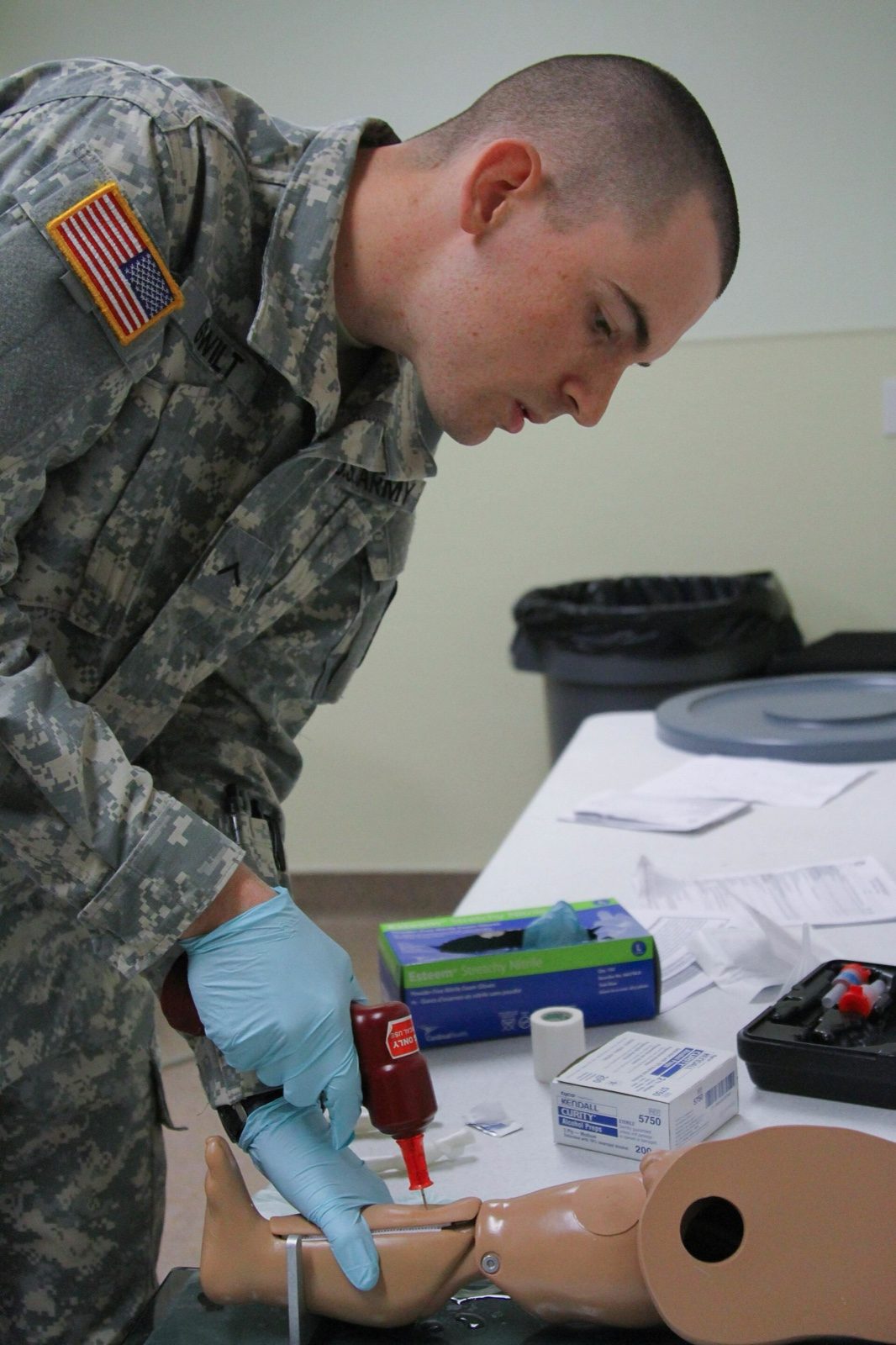
Columbus State received a $461,000 nursing grant as Georgia faces a projected 20% nurse shortage. See the school's exam pass rate, graduation data and plans. Shown: an Army health care specialist practices on a medical training mannequin (file photo of military medical training, not a nursing school). Photo: Staff Sgt. Patricia McMurphy / Wikimedia Commons (Public domain)
COLUMBUS, Ga. - Columbus State University has received a $461,000 state grant to address Georgia's nursing shortage, and it reports a 95% first-time pass rate on the nursing licensing exam over the last three years. The grant from the Georgia Board of Health Care Workforce funds an additional full-time faculty position for two years and upgrades to two existing medical-surgical simulation labs. Columbus State announced the grant July 31, 2026, and Choose Columbus highlighted it again Oct. 23.
Federal data projects a 20% shortage of registered nurses in Georgia by 2038, according to the university. The funding addresses two parts of nursing education: teaching staff and hands-on training space. This feature explains the numbers behind the school's nursing programs.
Columbus State nursing by the numbers
The university's published figures cover funding, student outcomes and the projected need for nurses. Columbus State reported the following in its July 31 announcement. Each item below is taken from that announcement.
- $461,000: State grant for faculty and simulation lab upgrades
- 2 years: Period covered for the added full-time faculty position
- 95%: First-time NCLEX-RN pass rate over the last three years
- 75.4%: Students who stay enrolled and complete the four-semester program within three years
- 75.6%: Graduation rate, with a goal of 80% or higher
- 20%: Projected shortage of registered nurses in Georgia by 2038, based on federal data
- $1 million: Multi-year investment by Ride for Miracles
The 95% pass rate covers the last three years, according to the university. The announcement does not give a reporting period for the 75.4% or 75.6% figures, so those are described only as the university reports them. The figures measure different things and should not be treated as interchangeable.
What the $461,000 grant will fund
The Georgia Board of Health Care Workforce awarded Columbus State $461,000 to help address the state's nursing shortage. According to the university, the money funds an additional full-time faculty position for two years and upgrades the two existing medical-surgical simulation labs in the Frank Brown Hall nursing wing. Choose Columbus also described the award as supporting clinical training facility improvements.
The extra faculty position would let the School of Nursing increase its enrollment capacity. The lab work focuses on existing labs, not a new building. The announcements do not give a completion date for the upgrades or say whether the faculty position has been filled.
Tonya Herring, EdD, RN, CNE, assistant professor and assistant director of undergraduate nursing, spoke about the labs in the university's announcement. "Our upgraded simulation labs will give students a more realistic environment than before," she said. Her statement describes the planned environment, not finished work.
A 95% first-time exam pass rate
Columbus State says its nursing students have a 95% first-time pass rate on the NCLEX-RN over the last three years. The university says that rate has been consistently above state and national averages. It is one of the main outcome measures the school highlights.
The university also reports that 75.4% of students stay enrolled and complete the four-semester program within three years. It reports a graduation rate of 75.6%, with a goal of 80% or higher. These numbers describe student progress through the program, while the NCLEX-RN rate describes first-time results on the licensing exam.
The university does not say what time period the two progress figures cover. Readers who want more detail can ask the School of Nursing. This story does not compare the figures with other schools.
How Columbus State trains nursing students
Columbus State offers an on-campus BSN, plus an online RN to BSN and an online MSN. The School of Nursing has full approval from the Georgia Board of Nursing and CCNE accreditation. Those are the pathways the university lists.
Simulation labs are another part of training. Since 2021, Ride for Miracles has funded three simulation labs, in pediatrics, neonatal care, and labor and delivery, through four cross-country motorcycle rides. The group has made a multi-year, $1 million philanthropic investment, and the sources describe those as different labs from the two medical-surgical labs covered by the new grant.
Enrollment capacity and admissions
In 2024, the school added a second admissions window each spring. Before that, it admitted students on a fall-only cycle. The new faculty funding is meant to add capacity.
The university also says the School of Nursing has not capped enrollment or turned away qualified applicants because of capacity. The grant is therefore a chance to grow capacity, not evidence that qualified applicants had been denied admission. The announcements do not give current enrollment, cohort sizes or application deadlines for spring or fall 2027.
Georgia's projected 20% nursing shortage
Federal data cited by Columbus State projects a 20% shortage of registered nurses in Georgia by 2038. That is a statewide projection for the future, not a measured shortage at any one Columbus facility. The university presents it as part of the need for more nursing education.
"Qualified nurses are in demand now more than ever," said Tammy Condrey, DNP, RN, MSN, associate professor and director of the School of Nursing. She said the need extends beyond hospitals to urgent care, physicians' offices and public health programs. Her comments cover several healthcare settings.
The grant addresses the education side of the workforce challenge through faculty support and training space. The published information does not say how many additional graduates the funding will produce. That number remains unknown.
Nursing education reaches rural counties
Many of the school's nursing students come from surrounding rural counties such as Harris, Talbot, Chattahoochee, Marion and Stewart, according to the university. Condrey said many residents of those counties seek healthcare in Columbus. That puts the program inside a regional discussion about the healthcare workforce.
The reports do not give separate enrollment figures for those counties. They also do not say where graduates end up working. Those questions are open.
What to know
- Funding: $461,000 from the Georgia Board of Health Care Workforce
- Faculty: One additional full-time position, funded for two years
- Facilities: Upgrades to two existing medical-surgical simulation labs in Frank Brown Hall
- Programs: On-campus BSN, online RN to BSN and online MSN
- Results: 95% first-time NCLEX-RN pass rate over three years
- Admissions: A spring admissions window was added in 2024 alongside the fall cycle
- Still unspecified: Current enrollment, 2027 application deadlines, faculty hiring status and lab completion dates
Source: Columbus State University News, "$461,000 state grant equips Columbus State to better address critical statewide nursing shortage" (July 31, 2026)

News organizations may republish this story with credit. See our guidelines.
Know someone who'd want to read this? Email it to a friend.
Own a Columbus business? 20,000+ page views in 30 days. Ads from $125/month. See ad options Follow Columbus Times on FacebookLocal news, events and people, in your feed every day.Most read this week
- Fort Benning Ceremony Calendar: 12 Graduations, 20 Turning Green Events and 2 Turning Blue Ceremonies Through Dec. 17
- Phenix City and Russell County Voters See School Taxes Again Nov. 3: 4 Mills and 4.5 Mills
- Veterans Day 2026 in Columbus: Free Meals, Deals and Events Honoring Those Who Served
- Georgia's 3 Amendments: Which Will Pass, Who's Against Them, and What Happens If They Fail
- What Polls and Forecasters Say About Georgia's Nov. 3 Races and 3 Amendments
More stories
 Education Columbus Technical College Spring 2027 Dates: Orientation Nov. 12, Classes End Dec. 2, Graduation Dec. 8 and Spring Classes Start Jan. 11
 Education Muscogee County Schools Calendar: Progress Reports Nov. 10, No School Nov. 11, a 5-Day Thanksgiving Break and a 12-Day Winter Break
 Education Columbus Technical College Graduates Record 1,543 Students, Reports 94.6% Job Placement and Five Years of Growth
 Education 5 Columbus State University Stories: TEDx Seeks 6 Speakers by Nov. 6, Plus a $150,000 Nursing Gift
Comments
Be respectful. No personal attacks, hate speech, spam or anyone's private information. Every comment is reviewed before it appears. Comment rules
No comments yet. Be the first to share your thoughts.